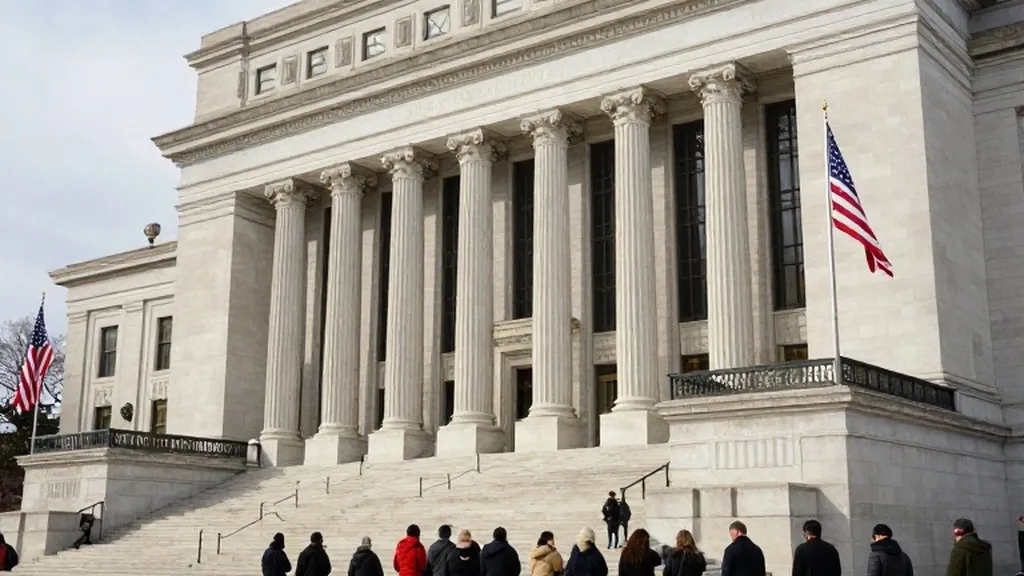
Voters Weigh Iran War and Economy in Midterm Contest
The conflict with Iran has emerged as a central grievance for independents, complicating the narrative for both parties as polls open.
By Julian Kobayashi ·
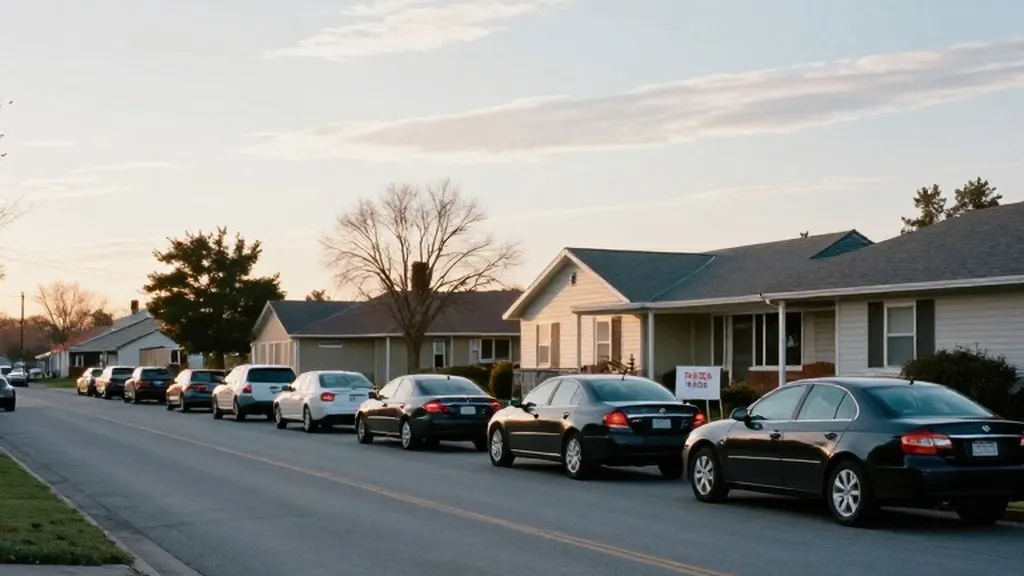
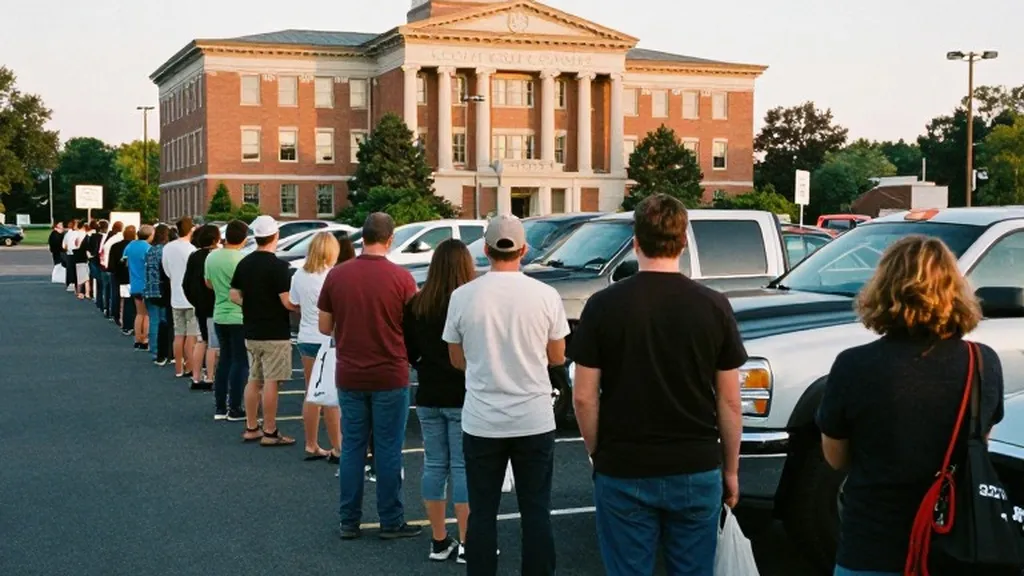
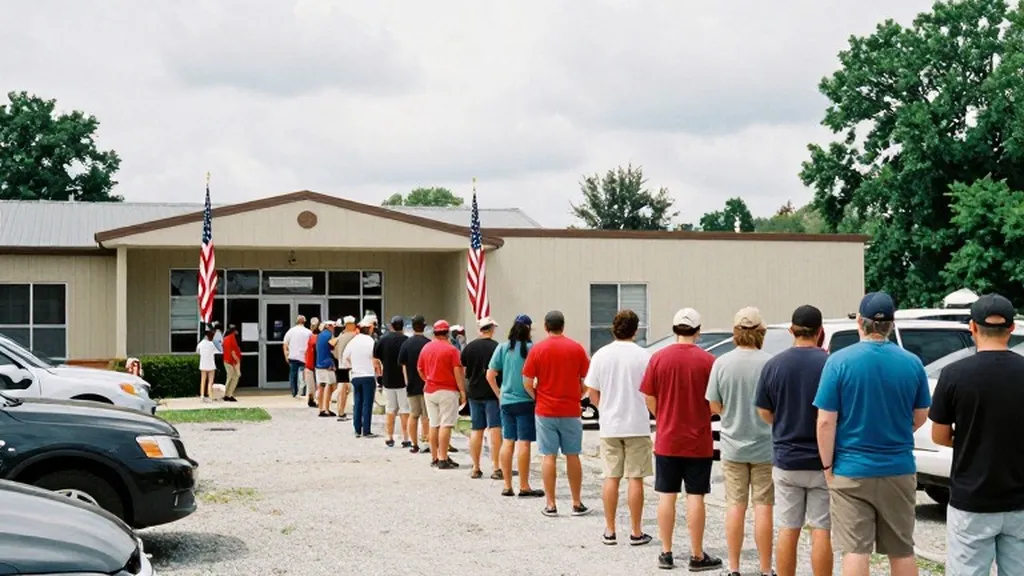
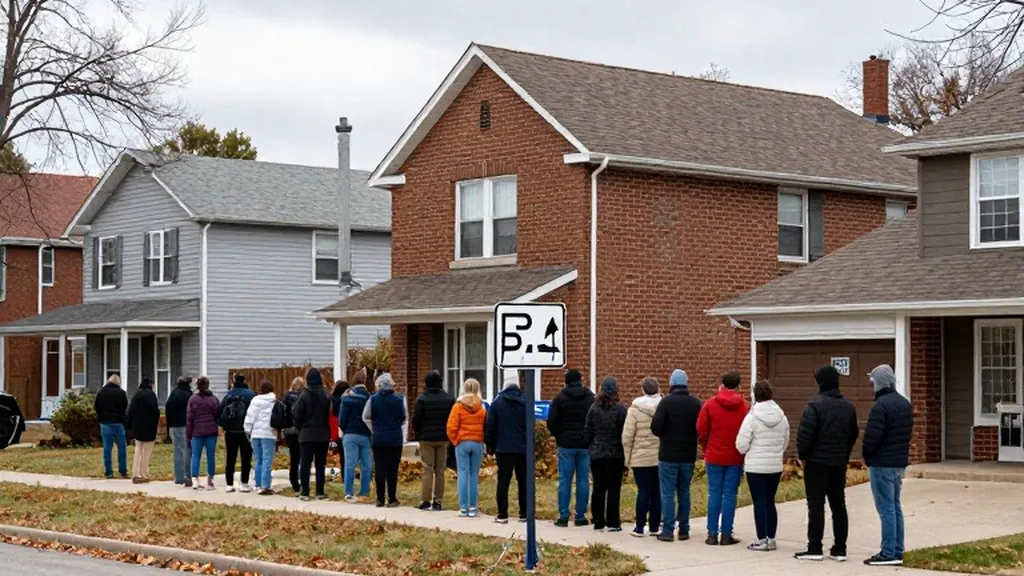
Voters across the United States are heading to the polls on Tuesday, November 3, 2026, to determine the balance of power in Congress during the final two years of President Donald Trump's second term. The Associated Press describes the election as a referendum on the administration's performance, with many citizens expressing frustration over high prices and an unpopular war with Iran. This conflict has become a defining issue in the race, influencing how candidates on both sides frame their campaigns and how voters evaluate the current state of national security and economic stability.
The war with Iran is no longer just a foreign policy detail; it is a primary driver of voter sentiment. The Associated Press notes that voters are angry over the conflict, and this anger intersects with economic concerns. For Democrats, the war represents a costly distraction that has contributed to inflation and strained the budget. For Republicans, the conflict is often framed as a necessary assertion of strength, though the unpopularity of the war has forced even allies of the president to navigate the issue carefully. Both parties are arguing that their approach to the conflict will best serve American interests in the long run.
In the House of Representatives, all 435 seats are up for election. Republicans currently hold 218 seats, while Democrats hold 214. Democrats need a net gain of three districts to secure a majority, a hurdle that is significant given the current political climate. Republicans can afford to lose no more than two seats to maintain control. Ballotpedia identifies 46 battleground districts where the outcome remains uncertain. In these areas, candidates are focusing heavily on how the war affects household budgets, arguing that the cost of conflict is directly felt in grocery stores and gas stations.
The Senate race involves 35 seats, with the outcome potentially determining which party controls the chamber. Republicans hold 53 seats, and Democrats need a net gain of four to take the majority. The war with Iran has become a focal point in several key states, including Georgia and North Carolina. In Georgia, Democratic Senator Jon Ossoff is facing Republican Representative Mike Collins. The Associated Press highlights that economic strain and the war have made these races highly competitive. Voters in these states are weighing the cost of the conflict against the promise of stronger leadership on the world stage.
Republican National Committee Chairman Joe Gruters stated that everything depends on turnout, asserting that if their voters show up, they will win. This strategy relies on mobilizing the base to support the administration's handling of the Iran conflict. On the other side, Democratic Congressional Campaign Committee Chair Suzan DelBene said the American people are angry and want change. She frames the war as a symbol of mismanagement that has led to higher taxes and healthcare costs. Both parties are using the conflict to rally their respective supporters, with Republicans emphasizing security and Democrats emphasizing fiscal responsibility.
Voter sentiment is mixed but leans toward dissatisfaction. AP-NORC polling shows that 35 percent of U.S. adults approve of President Trump's job performance, while about seven in 10 say the country is heading in the wrong direction. Many voters blame the president for high prices, a sentiment that is amplified by the ongoing war with Iran. In Florida, voter Mark Barker said he has been following Trump and thinks he is doing an awesome job. In North Carolina, librarian James Moore expressed concern about paying more for healthcare and taxes, linking these financial pressures to the broader economic impact of the conflict.
The administration has faced challenges in unifying the party around the war effort. President Trump held dozens of rallies, ending in Salina, Kansas, where he urged voters to pretend he was on the ballot. However, many Republican candidates have kept their distance from the president, particularly in states where the war is less popular. This dynamic creates a complex landscape where voters must decide whether to reward the president's foreign policy or punish the party for the economic fallout. The result could significantly influence the trajectory of the administration's final two years.
If Democrats win even one chamber, investigations and possible impeachment proceedings are likely to follow. House Democratic Leader Hakeem Jeffries has outlined a 100-day agenda focused on the cost of living and oversight, which would include a thorough review of the decisions leading to the war with Iran. A strong Democratic night would also boost potential 2028 candidates like Gavin Newsom and Pete Buttigieg. For Republicans, holding the Senate would allow them to continue supporting the administration's foreign policy goals, potentially leading to further engagement in the region.
The election is also being watched by Wall Street, where investors are concerned about debt ceiling negotiations and the financial implications of the war. Reuters notes that the results could add to existing concerns about AI spending and national debt. The cost of the war with Iran is a significant factor in these calculations, as it requires substantial funding that may compete with other government priorities. Voters are aware of these economic stakes, and their choices on Tuesday will likely shape the fiscal environment for years to come.
As polls close, the focus shifts to the final count. The war with Iran remains a central theme in the post-election analysis, with both parties claiming victory on the issue. The outcome will determine who controls the legislative agenda and how the country proceeds with its foreign policy. Whether the war is seen as a success or a failure will depend largely on which party holds the majority, making this midterm election a pivotal moment for American foreign policy and domestic priorities.