Midterm Stakes: What Chamber Control Means for Oversight and 2028
With polls open, the outcome will determine the pace of investigations, the implementation of a 100-day agenda, and the trajectory of key political figures.
By Gabriel Qureshi ·

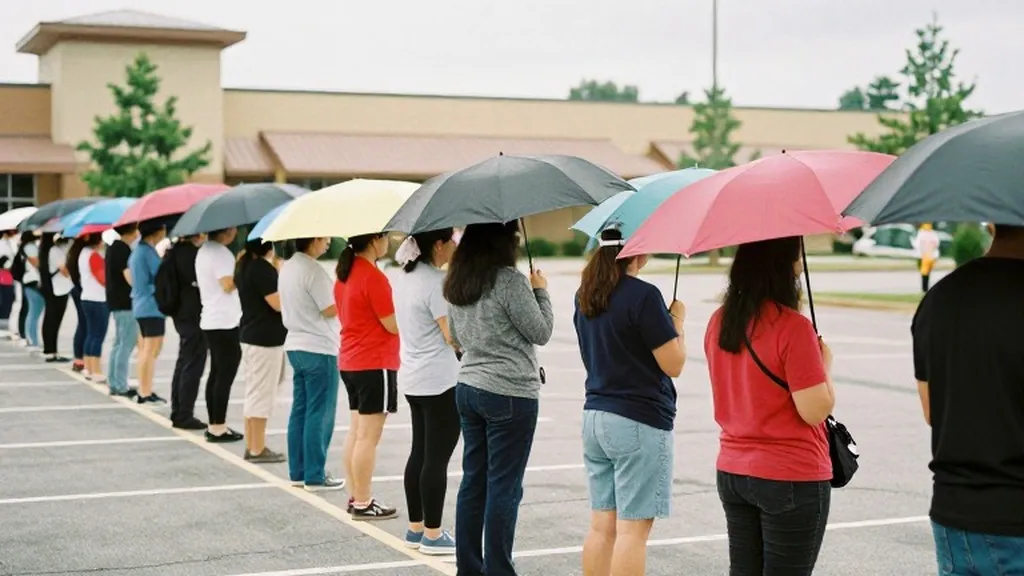
Voters across the United States are casting ballots on Tuesday, November 3, 2026, to decide the composition of Congress for the final two years of President Donald Trump's second term. The Associated Press describes the election as a referendum on the current administration, with many citizens citing high prices and the ongoing conflict with Iran as primary concerns. According to AP-NORC polling, 35 percent of U.S. adults approve of the president's job performance, while roughly seven in ten believe the country is heading in the wrong direction. These sentiments are driving turnout, with more than 57 million people having already voted by Monday, a figure that surpasses early voting totals from four years ago in many closely watched states.
The race for the U.S. House involves all 435 seats, with Republicans currently holding 218 seats and Democrats 214. To secure a majority, Democrats need a net gain of three districts, whereas Republicans can afford to lose no more than two. Ballotpedia identifies 46 battleground districts, highlighting the tightness of the contest. In the Senate, 35 seats are up for grabs, including 33 regular elections and two special elections. Republicans hold 53 seats, while Democrats hold 45, plus two independents who caucus with the minority party. Democrats require a net gain of four Senate seats to take control, a hurdle that has made races in states like Iowa, Kansas, and Georgia critical. The Associated Press notes that one or two seats could tip the balance in either chamber, making the final tallies in these states decisive.
Control of the House would significantly alter the legislative and oversight landscape for the remainder of the presidential term. If Democrats win the House, House Leader Hakeem Jeffries would become the first Black speaker of the House. He has outlined a 100-day agenda focused on the cost of living and increased oversight of the executive branch. This agenda signals a shift toward aggressive scrutiny of administration policies, a move that Republicans have warned could lead to frequent conflicts. Conversely, if Republicans retain the House, they expect to continue the legislative pace that has characterized the first half of Trump's second term. The Associated Press reports that if Democrats win even one chamber, investigations and possible impeachment proceedings become likely, a prospect that has raised stakes for both parties.
The outcome also has profound implications for the 2028 presidential cycle. A strong Democratic performance would bolster the prospects of potential candidates such as Gavin Newsom, JB Pritzker, and Pete Buttigieg. These figures have been viewed as leading contenders for the Democratic nomination, and a unified Democratic message in Congress could provide them with a stronger platform. On the other side, a Republican victory in the House or Senate could complicate the path for Vice President JD Vance. Vance has been seen as a key figure in the Republican future, and the results of this election will influence how much leverage he holds within the party. The Associated Press notes that a Democratic win in one or both chambers would force the administration to share power, potentially limiting the vice president's ability to shape policy unilaterally.
In the Senate, the fight for control is particularly intense in a dozen or more states. In Iowa, the open seat left by retiring Senator Joni Ernst is considered a toss-up or a slight tilt toward the Republicans. Kansas, a traditionally Republican state, has become a central focus due to the retirement of key figures and the competitive nature of the race. In Georgia, Senator Jon Ossoff is facing Republican Representative Mike Collins, with the race leaning slightly Democratic. The Associated Press highlights that in Maine, Senator Susan Collins is competing against Democratic former state Senate President Troy Jackson, with economic strain and tariffs making the state more competitive than in previous cycles. These races will determine whether the Senate remains under Republican control, a position that has allowed for smoother passage of administration priorities so far.
Governorship races are also adding to the political map, with 36 offices up for election. Democrats are aiming to hold a majority of governorships for the first time in two decades, a goal that has been elusive since 2010. In states like Arizona, Kansas, and Michigan, Democrats are defending their leads in regions that President Trump won in 2024. Republicans are fighting to maintain their dominance in states like New Hampshire and Vermont, which voted for Kamala Harris in the previous presidential election. The Associated Press points out that in Ohio, Republican Vivek Ramaswamy is facing Democrat Amy Acton, a race that has drawn national attention due to campaign advertising strategies. The results in these states will shape the balance of power at the state level, influencing everything from redistricting to budget allocations.
The financial dynamics of the election have been significant, with the 2026 cycle likely to be the most expensive in history. Republican committees have outraised and outspent their Democratic counterparts, aided by Trump-affiliated groups and contributions from figures like Elon Musk. However, at the candidate level, Democrats have managed to outraise their opponents. According to an AP analysis of AdImpact data, 88.1 percent of Republican general election TV ad spending went to states and districts that Trump won in 2024, including more than $850 million in areas where he won by 10 points or more. This spending strategy reflects an effort to consolidate support in strongholds while also targeting competitive districts. Democrats have focused their resources on flipping key seats, aiming to capitalize on voter dissatisfaction with the current administration.