Seven states test new congressional maps in 2026 midterms
New district lines in California, Florida, Missouri, North Carolina, Tennessee, Texas, and Ohio face a critical test as voters decide if the maps will hold.
By Yuna Fletcher ·
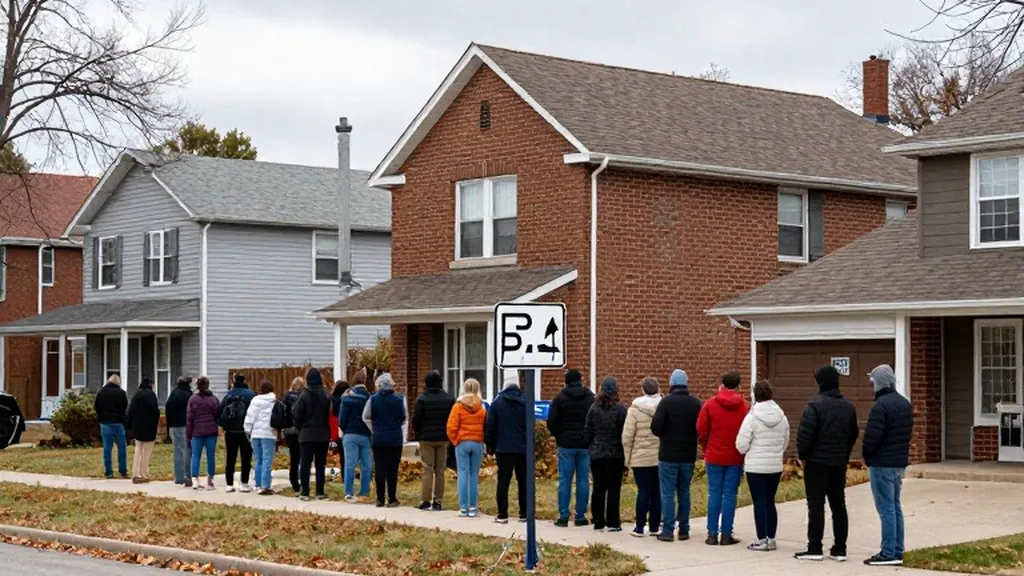
The new congressional maps in California, Florida, Missouri, North Carolina, Tennessee, Texas, and Ohio are at the center of this year’s midterm election. These districts were drawn after the mid-decade redistricting process, which altered the boundaries for many races. The Associated Press notes that Republicans attempted to use these new lines to beat the typical midterm pattern where a president’s party loses seats. However, early indicators suggest the maps may not function as predicted by those who drew them.
The stakes for the U.S. House are significant, as all 435 seats are up for election. Republicans currently hold 218 seats, while Democrats hold 214, with one independent and several vacancies. According to Ballotpedia, Democrats need a net gain of three districts to secure a majority, whereas Republicans can afford to lose no more than two. The Associated Press reports that 60 House incumbents did not run again, including 23 Democrats and 37 Republicans. This turnover has created numerous open seats that could shift the balance of power in the chamber.
Ballotpedia identifies 46 battleground districts, with 25 held by Democrats and 21 by Republicans. A complicating factor is the 2024 presidential results, which do not always align with the new district lines. For example, 21 districts held by Democrats voted for Donald Trump in the last presidential election. Conversely, nine Republican-held districts voted for Kamala Harris. This divergence suggests that the new maps may create competitive environments that differ from the intentions of the state legislatures that drew them.
In the U.S. Senate, 35 of 100 seats are on the ballot. This includes 33 regular elections and two special elections for the remainder of the terms held by Marco Rubio and JD Vance. Republicans hold 53 seats, while Democrats hold 45, plus two independents who caucus with the minority. Democrats require a net gain of four seats for a majority, a hurdle that the Associated Press suggests is difficult given the current landscape. Eleven senators are not seeking re-election, including four Democrats and seven Republicans, adding to the number of open races.
The new maps have particular implications for states like North Carolina and Texas. In North Carolina, the retirement of Senator Thom Tillis has left a void that Democratic former Governor Roy Cooper is trying to fill against Republican Michael Whatley. The Associated Press notes that Tillis retired after clashing with the president, a decision that has reshaped the political dynamics in the state. In Texas, the race features Republican Attorney General Ken Paxton against Democrat James Talarico. Trump backed Paxton over Senator John Cornyn in the primary, a move that highlights the internal party dynamics in a state with new district lines.
Ohio also uses a new congressional map, and the state is testing the waters with a special Senate election. Republican Senator Jon Husted is running against Democratic former Senator Sherrod Brown. The Associated Press describes the race as a key indicator of how the new boundaries will perform. Similarly, in Missouri, the new districts are being scrutinized as voters decide on the composition of the state’s congressional delegation. The state’s history of leaning Republican makes the new lines a critical experiment for the party’s national strategy.
The mood in these states is influenced by national issues, including high prices and an unpopular war with Iran. The Associated Press reports that 35 percent of U.S. adults approve of Trump’s job performance, while only 25 percent approve of his handling of the economy. About seven in ten Americans say the country is heading in the wrong direction. These sentiments are driving voter behavior in the new districts, where incumbents from both parties are facing challenges from challengers who are emphasizing local concerns over national party loyalty.
Republican National Committee Chairman Joe Gruters stated that everything depends on turnout, asserting that if the party turns out its voters, it will win. In contrast, Democratic Congressional Campaign Committee Chair Rep. Suzan DelBene said the American people are angry and want change. These quotes reflect the divergent strategies of the two parties in the new districts. Republicans are focusing on mobilizing their base in the newly drawn Republican-leaning districts, while Democrats are targeting the competitive seats where the new lines may have made the race closer than expected.
The financial aspect of the campaign is also notable, with the 2026 elections likely to be the most expensive in history. Republican committees outraised and outspent Democratic committees, aided by Trump-affiliated groups and Elon Musk. However, at the candidate level, Democrats outraised their opponents. The Associated Press analyzed AdImpact data and found that 88.1 percent of Republican general election TV ad spending went to states and districts Trump won in 2024. This spending pattern suggests a strategy to protect the new Republican-leaning districts, but it also indicates that the party is prioritizing areas where the new maps were designed to be safe.
Voters in these states are casting their ballots with a clear understanding of the stakes. In Florida, voter Mark Barker said he has been following Trump and thinks he is doing an awesome job. In North Carolina, librarian James Moore cited higher taxes and healthcare costs as reasons for his vote. These individual perspectives highlight the personal nature of the decision in the new districts. The results of this election will determine whether the redistricting efforts of the mid-decade have succeeded in shifting the balance of power or if voter preferences have overridden the geographic changes.
The Associated Press notes that one or two seats could tip either chamber, making the outcome in these seven states particularly important. The new maps have created a complex landscape where local dynamics and national trends intersect. As polls close, the attention will turn to how these districts perform in the final tallies. The performance of these new lines will set the stage for the final two years of the current presidential term and the future of congressional control.