Trump demands AI data centers share energy profits with local towns
The president wants hyperscalers to sell excess power back to neighbors to lower utility bills and reduce local opposition to new builds.
By Gabriel Qureshi ·
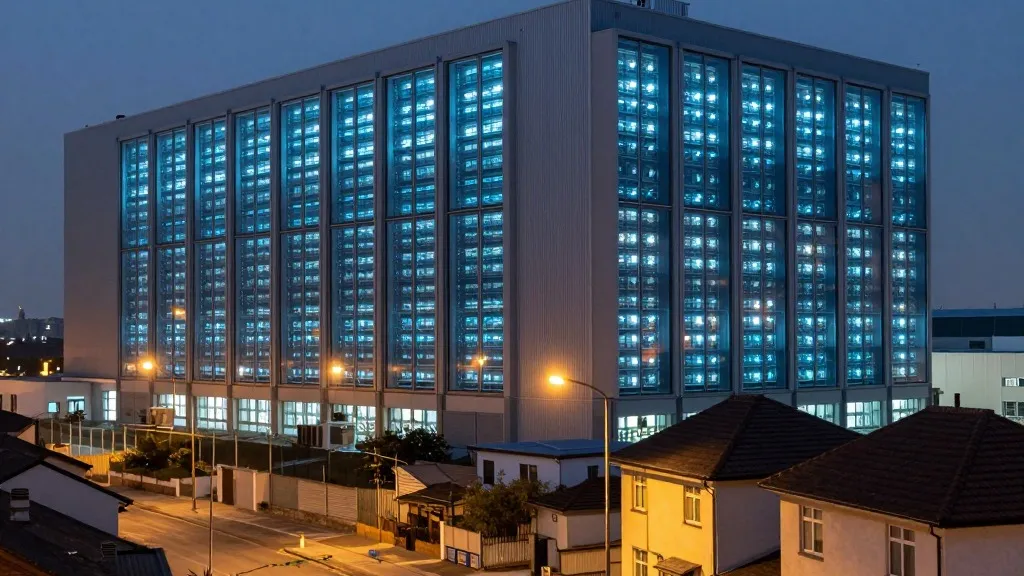
The number of AI data centers popping up across the country is growing fast, but so is the backlash against them. President Donald Trump is stepping in with a new demand. He wants these massive facilities to pay a direct dividend to the communities that host them. The goal is simple. Make the local residents happy so they stop protesting the construction.
Trump made this call on Truth Social. He warned that builders and AI hyperscalers must do more than just build. They need to share the financial benefits with the people living nearby. The administration has already ordered these companies to generate their own electricity. Now, Trump wants them to take that step further. If they produce more power than they need, they must give it away or sell it back to the local grid.
This move aims to tackle rising electricity costs. Many small towns are seeing their utility bills jump. The heavy power draw from data centers is a big part of the reason. Trump believes that by forcing companies to share excess energy, prices can stabilize or even drop. This would directly ease a major pain point for homeowners. It also follows a recent act that requires data centers to pay for their own grid upgrades, keeping those costs off local taxpayers.
Local communities have been vocal in their opposition. They cite several issues beyond just power. Noise pollution from cooling systems is a constant complaint. Water shortages are becoming a serious concern in many arid regions. Air pollution and deforestation for land clearing add to the list. These factors make data centers an unpopular neighbor in many parts of the United States.
The Trump administration is eager to stay ahead of China in the AI race. To do that, they need more infrastructure built quickly. Winning back some local favor is key to that speed. By making the presence of these centers more acceptable, the government hopes to smooth the path for new projects. The specific form of the dividend is not yet detailed, but it likely involves offsetting rising electricity costs for the immediate area.
Trump believes that financial deals can turn the tide on public opinion. He noted that data centers are often unpopular until a financial deal is struck. In his post, he urged companies to make those deals and get the projects built. The tone was direct. He wants action, not just promises. The idea is that if locals see a tangible benefit, the resistance will fade.
However, the economic fix may not solve every problem. Dividends address the cost of energy, but they do not fix other environmental concerns. Water consumption remains a major issue for many communities. Ecological damage and air pollution are still significant challenges. These factors make AI data centers a hard sell in many locations, regardless of the price tag on their electric bill.
The practical details of how this dividend will work are still unclear. It is not yet known if the payments will be enough to win over skeptical residents. The administration is looking for solutions to balance rapid growth with community support. For now, the focus is on the energy aspect, with the hope that financial incentives will lead to a more harmonious coexistence between tech giants and local towns.
Source: Tom's Hardware · original report published