A Practical Guide to Voting Today: Poll Hours, ID Rules and Mail Ballot Logistics
With polls open across the nation, voters must navigate varying state schedules and identification requirements while the Postal Service works to ensure timely mail ballot processing.
By Julian Kobayashi ·
Tuesday, November 3, 2026, marks the midpoint of President Donald Trump's second term as voters head to the polls to determine which party controls Congress for the final two years of his administration. The stakes are high for both chambers, with all 435 House seats and 35 Senate seats up for election. According to Ballotpedia, Republicans currently hold 218 House seats and 53 Senate seats, while Democrats hold 214 House seats and 45 Senate seats, with two independents caucusing with Democrats in the Senate. Democrats need a net gain of three House districts and four Senate seats to secure majorities, whereas Republicans can afford to lose no more than two seats in either chamber to maintain their control.
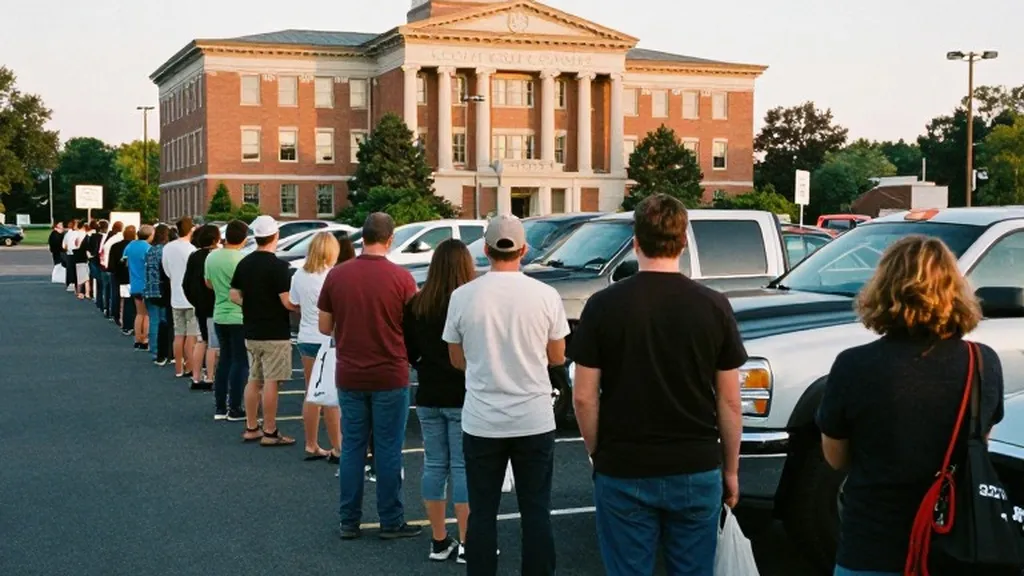
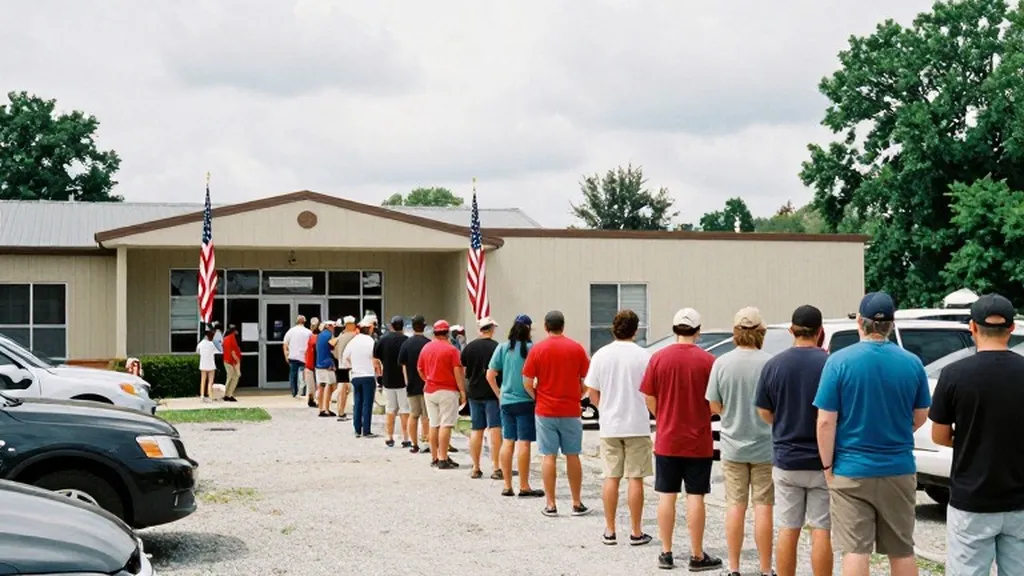
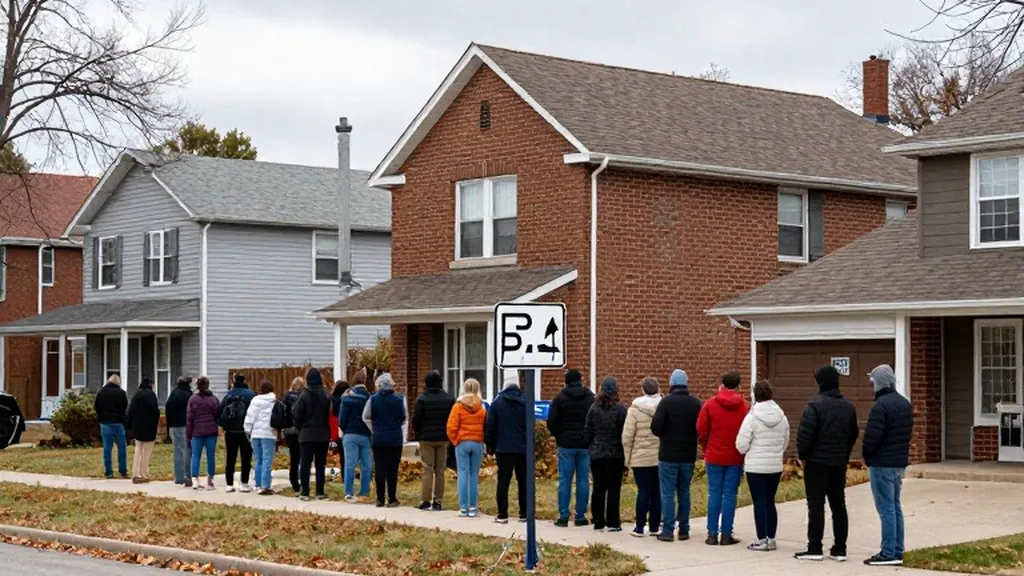
Voters across the country are navigating a complex landscape of polling place hours that vary significantly by state. According to Ballotpedia, hours range from 7 a.m. to 7 p.m. in states like Alabama and Florida to 6 a.m. to 8 p.m. in states like Connecticut and Louisiana. Some states, such as New York, keep polls open from 6 a.m. to 9 p.m., while others like Idaho open at 8 a.m. and close at 8 p.m. In states like New Hampshire and Tennessee, hours vary by town or county, requiring residents to check local guidelines. It is important for voters to note that anyone in line when polls close is entitled to vote, a rule that has become a focal point in recent election administration discussions.
Identification requirements also differ by state, a factor that has prompted election officials to urge voters to verify their specific state's rules before heading to the polls. USA.gov advises that voters can find their polling place and ID requirements at vote.gov or their state election office. While some states require photo identification, others accept non-photo IDs or allow voters to sign an affidavit. This variability means that a voter in one state may need a driver's license while a voter in another state may only need to provide their name and address. The Associated Press noted that these administrative details are critical for ensuring that eligible voters are not turned away on Election Day.
For those who have already voted by mail, the logistics of processing these ballots are a major concern. The U.S. Postal Service has added hours, staff, and special lines to ensure that mail ballots are received and counted on time, according to Reuters. This increase in operational capacity is designed to mitigate delays that have plagued mail-in voting in previous cycles. In states like California, Colorado, Oregon, Utah, and Washington, where a large portion of the electorate votes by mail, the timely processing of these ballots is essential for determining the final outcome. The Postal Service's efforts are part of a broader federal response to ensure that all votes cast by the deadline are included in the tally.
Legal challenges have also played a role in shaping the election administration environment. A federal judge temporarily barred the Trump administration from carrying out a plan intended to prevent noncitizen voting, a move that critics argue risks disenfranchising eligible voters and infringes on states' authority. Additionally, a judge ordered the administration to stop demanding that California election officials segregate ballots cast by people on lists of suspected noncitizens. These legal developments have created a backdrop of uncertainty for election officials, who must balance federal directives with state laws. The Associated Press reported that these rulings have eased some concerns about interference, though Democrats remain wary of potential intimidation of local election officials.
The mood among voters is characterized by a mix of caution and determination. The Associated Press describes the election as a referendum on Trump's second term, with many voters expressing frustration over high prices and an unpopular war with Iran. AP-NORC polling indicates that 35% of U.S. adults approve of Trump's job performance, while about 7 in 10 say the country is heading in the wrong direction. This sentiment is reflected in the early voting numbers, with more than 57 million people having already cast their ballots as of Monday, surpassing the early vote totals from four years ago in many closely watched states. The high volume of early voting suggests that turnout is a critical factor in determining which party gains the upper hand.
Both parties are focusing heavily on turnout, recognizing that the margin for error in the House and Senate races is slim. RNC Chairman Joe Gruters stated that everything depends on turnout, asserting that if Republicans turn out their voters, they will win. In contrast, DCCC Chair Rep. Suzan DelBene emphasized that the American people are angry and want change, highlighting the Democratic strategy of energizing the base. The financial aspect of the election is also notable, with the 2026 elections likely becoming the most expensive in history. Republican committees have outraised and outspent Democratic committees, aided by Trump-affiliated groups, while Democrats have outraised their opponents at the candidate level.
Specific battlegrounds are drawing significant attention, particularly in states where the presidential margin in 2024 was close. In the Senate, races in Georgia, Iowa, Kansas, Maine, Michigan, and New Hampshire are rated as competitive or toss-ups by various analysts. The Associated Press noted that economic strain and tariffs have made states like Maine more competitive, while the retirement of several long-serving senators has opened seats in states like Iowa, Michigan, and New Hampshire. In the governor races, Democrats are defending five governorships in states Trump won in 2024, while Republicans are defending two in states Harris won. These races are crucial for determining whether Democrats can achieve a nationwide majority in governorships for the first time in two decades.