Pakistan Finalizes Tripartite Mecca Defense Pact
Islamabad completed its legal review of the agreement with Turkey and Riyadh as regional tensions rise.
By Julian Kobayashi ·
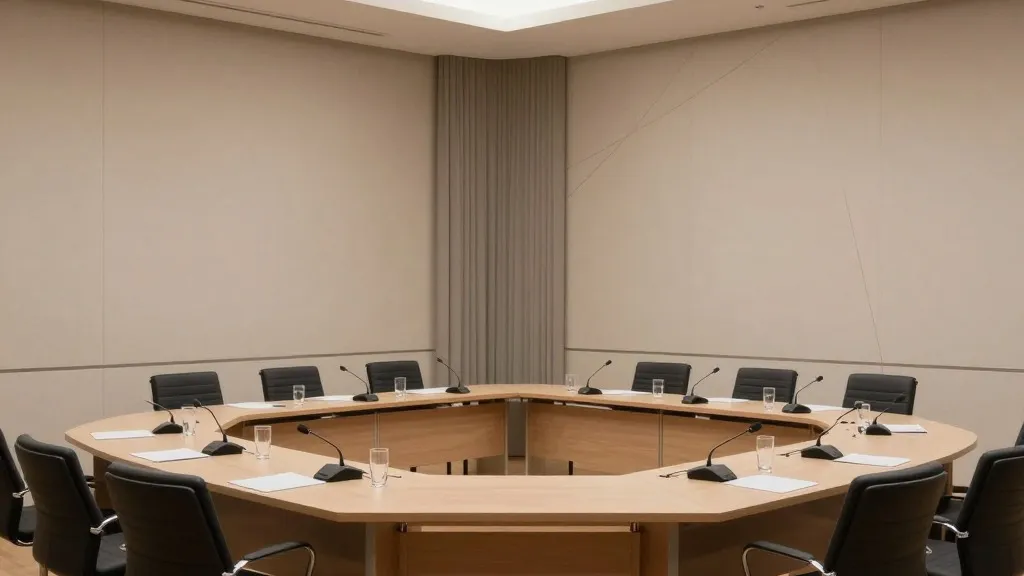
Pakistan declared on Friday that it has formally approved the Mecca Joint Defence Agreement, a significant step in solidifying a military alliance with Saudi Arabia and Turkey. This move occurs while the Kingdom of Saudi Arabia deals with new security challenges posed by Yemeni Houthi forces. The three nations had initially signed the document in August, but the finalization of domestic procedures has been a gradual process. With Pakistan now completing its internal requirements, the pact moves closer to full operational status, although one key signatory is still pending its own legal clearance.
Spokesman for the Foreign Office, Sajjad Haider Khan, confirmed that both Islamabad and Riyadh have finished their respective ratification steps. He noted that discussions are ongoing regarding the specific implementation details and the operational mechanics of the treaty. The official transcript indicates that the three parties are currently debating how to activate the defense mechanisms. Turkey, the third member of this bloc, remains in the middle of its own domestic approval cycle. Consequently, the agreement has not yet received unanimous ratification from all three founding members, though the delay is expected to be temporary.
The original signing ceremony took place in Mecca on 7 August. At that time, Turkish President Recep Tayyip Erdogan, Pakistani Prime Minister Shehbaz Sharif, and Saudi Crown Prince Mohammed bin Salman put their names to the document. The core principle of the pact is collective defense. If any of the three states faces an external armed attack, the other two are obligated to provide support. The specific form and intensity of that assistance will be determined by the nature of the threat. Pakistan has characterized the arrangement as strictly defensive and consistent with the principles of the United Nations Charter.
Progress toward implementing the agreement accelerated following a strategic meeting on 5 October. Delegates from the three nations convened to form the Strategic Political and Defence Committee. They issued a directive that called for the rapid deployment of military capabilities and forces to Saudi Arabia if needed. This deployment is subject to the domestic laws of each country involved. The committee emphasized that collective defense commitments must be honored and executed efficiently.
The timing of this announcement coincides with growing concerns about a broader regional escalation. Saudi Arabia's Civil Defence department issued warnings this week regarding potential threats in the southwest, specifically in Abha and Khamis Mushait. Authorities later declared that the immediate danger had subsided. While the specific nature of the threat was not disclosed, officials advised residents to follow safety protocols and avoid gathering in public or filming in the affected zones, according to reports from the Anadolu Agency.
These alerts aligned with a series of Houthi missile and drone strikes targeting Saudi infrastructure. On 21 October, Reuters reported that Riyadh's allies were primarily providing defensive support. The Kingdom is actively working to shield its critical infrastructure from further attacks. The need for reliable partners in the region has become more urgent as these hostilities continue to test the boundaries of regional stability.
In a related development, the Israeli military announced that it will conduct large-scale exercises in the northern and central regions of the country on Sunday and Monday. These drills will include the air force and units from the Northern and Central Commands. The scenarios will rehearse surprise air and land attacks as well as infiltration tactics. The military stated that the purpose is to test readiness for defending against attacks on multiple fronts and to prepare for any potential escalation along Israel's borders.
These preparations are taking place while Washington and Tel Aviv reportedly consider renewed military action against Iran. President Trump stated on Friday that the United States might launch another operation against Iran as the conflict approaches its eighth month. A report from The Business Times, citing US officials, indicated that American and Israeli forces have drafted plans for fresh strikes following the US midterm elections on 3 November. Potential targets for these operations include Iranian energy infrastructure, nuclear facilities, and missile and drone capabilities.
Source: Middle East Eye