North Korea's Leader Inaugurates New Trade Link to China Amidst Rising Regional Tensions
The opening of a new cross-border bridge signals a strategic deepening of ties between Pyongyang and Beijing while diplomatic frictions with Seoul intensify.
By Yuna Fletcher ·
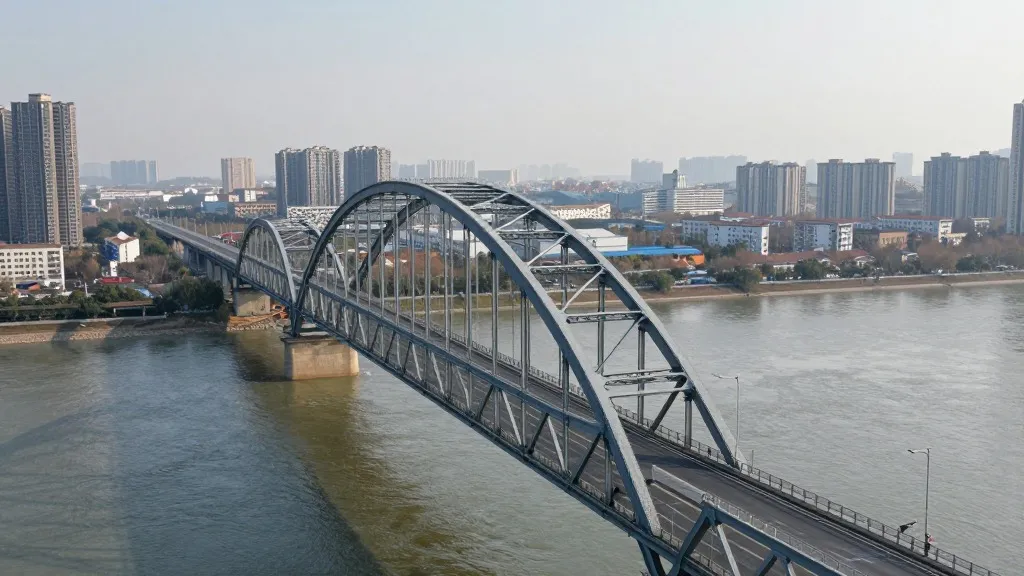
North Korea has officially inaugurated a new cross-border infrastructure project, with leader Kim Jong-un crossing the New Yalu River Bridge into China on Saturday. This physical connection marks a significant development in the bilateral relationship, as Kim stated his intent to broaden economic and practical cooperation with Beijing. The event serves as a tangible symbol of the enduring alliance between the two nations, reinforcing their strategic and commercial ties at a critical juncture in regional politics.
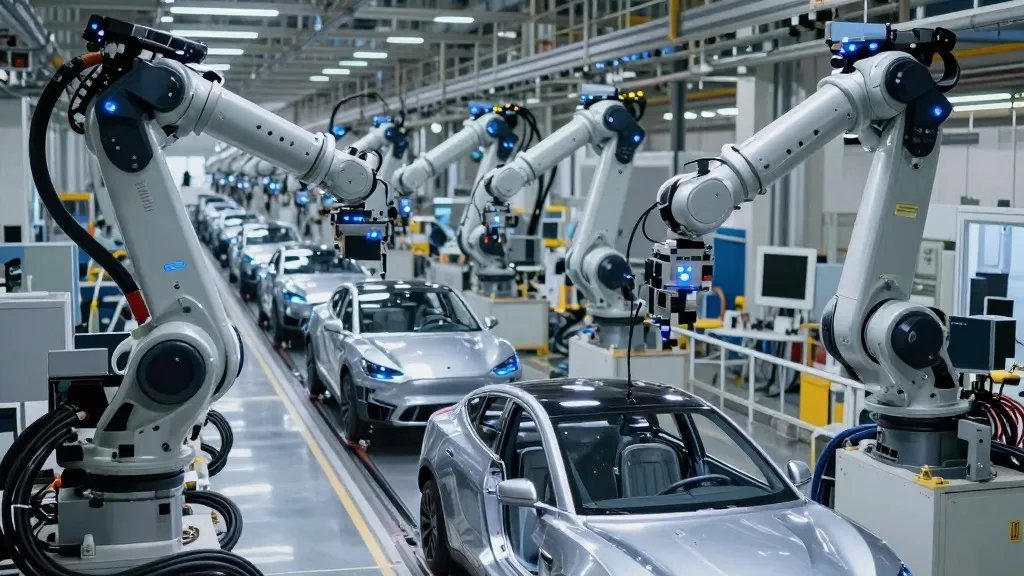
According to South Korea's unification ministry and China's state news agency Xinhua, Kim arrived in the Chinese border city of Dandong to oversee the opening. During the visit, he met with Wang Huning, a senior member of the Communist party's standing committee. The two officials toured a local automobile factory, a symbolic gesture that underscores the industrial and economic dimensions of their partnership. Wang later accompanied Kim to the bridge to see him off, highlighting the high level of diplomatic attention afforded to the trip.
Xinhua reported that Kim emphasized the desire to deliver tangible benefits to the populations of both countries. He noted that North Korea is prepared to work closely with China to expand their historical friendship through practical cooperation. This focus on mutual economic gain suggests a strategic shift toward leveraging their geographic proximity and shared resources to bolster both economies, moving beyond purely military or political alignments.
The timing of the inauguration is strategically significant, occurring just days before the anniversary of China's first major victory in the Korean war. This milestone, marked in late October, commemorates the entry of Chinese troops into North Korea in 1950. The visit appears designed to reinforce the depth of the bond between the two leaders and their governments, sending a clear message to the region about the stability and strength of their partnership.
Logistical preparations for the event were extensive, with traffic controls implemented around the bridge and a nearby museum dedicated to the war. Hotel bookings in the vicinity were also restricted, according to reports from Japan's Kyodo news agency. These measures indicate that the visit was treated as a major state event, requiring careful coordination and security planning to ensure a smooth ceremonial opening.
The new bridge, which spans three kilometers, finally opened in mid-October after a twelve-year delay in construction on the North Korean side. This completion is particularly notable given that North Korea and Russia recently opened the first road bridge across their own border in early September. With these two new connections, Pyongyang now has direct road links to its two primary strategic backers, enhancing its logistical flexibility and trade potential.
This marks Kim's sixth trip to China and his first since attending a military parade in Beijing last September, where he was joined by Chinese President Xi Jinping and Russian President Vladimir Putin. The frequency of high-level visits continues to rise, with Xi having visited Pyongyang in June for the first time in seven years. Such regular engagement reflects a sustained effort to maintain close coordination among the three Asian powers.
In contrast to the warming relations with China and Russia, ties with South Korea have deteriorated sharply. Kim's sister, Kim Yo Jong, has issued approximately ten critical statements toward Seoul since late September, a frequency that officials in the unification ministry have described as unusual. She has also announced plans to resume loudspeaker broadcasts at the border within days. Meanwhile, speculation persists about a potential meeting between Kim and US President Donald Trump ahead of the APEC summit in Shenzhen in November, though US and South Korean officials currently see little chance of this happening this year.
Source: The Guardian
More Business · World news · Consumer Watch · Report a business · Got a Story?