Arab parties hold keys to Knesset majority as Netanyahu and Eisenkot stall
With turnout hitting 80 percent among Arab citizens, neither front-runner has the 61 seats needed to govern, forcing a difficult choice on coalition partners.
By Julian Kobayashi ·
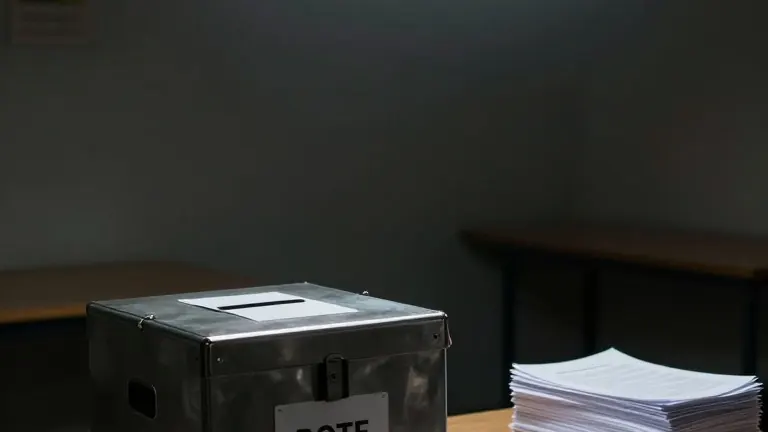
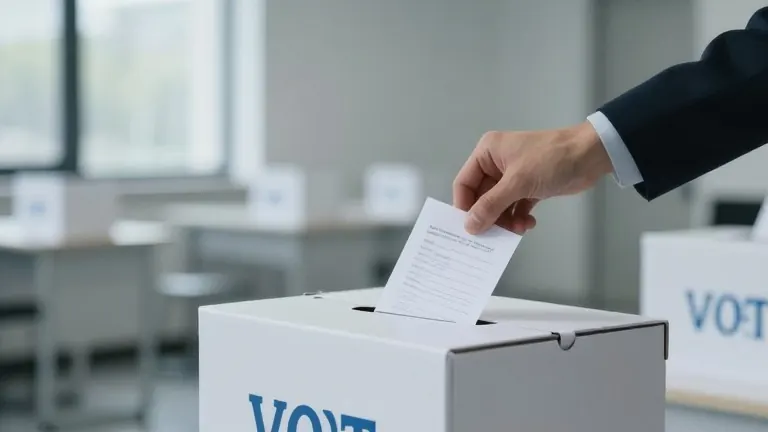
Eighty percent of Arab citizens of Israel cast ballots in the general election held on Oct. 27. This surge in participation has positioned two Arab-led parties as potential kingmakers in a Knesset that remains deadlocked between the two major contenders.
The Joint List, led by Yousef Jabareen, and the United Arab List, or Ra’am, led by Mansour Abbas, entered the count with more seats than in any previous cycle. Neither Prime Minister Benjamin Netanyahu nor his challenger Gadi Eisenkot currently holds the 61 parliamentary seats required for a working majority.
Netanyahu’s right-wing coalition includes ideological hardliners and ultra-religious parties. His government has faced criticism for a perceived lack of action against crime in Arab neighborhoods and for its annexation stances in the West Bank and Gaza. During a Channel 13 broadcast, Jabareen said the Joint List would join any party offering a "genuine alternative to Netanyahu’s government of bloodshed." He described the goal as creating a "Jewish-Arab partnership."
Netanyahu rejected this path. He insisted on forming a "strong right-wing national government" and claimed leadership of the "Zionist public." His coalition partners, including former Prime Minister Naftali Bennett and Yisrael Beytenu leader Avigdor Liberman, have flatly rejected a formal alliance with Arab parties. Eisenkot has not ruled out an informal voting arrangement in the Knesset, but he has resisted a formal coalition structure.
The opposition’s hesitation stems partly from the Arab parties’ refusal to formally label Hamas a terror organization. Mansour Abbas of Ra’am told Israeli media that his party has "condemned every act of terror" from Oct. 7, 2023, and rejects a "loyalty test." Eisenkot’s supporters, many from the centrist bloc, blame Netanyahu for ignoring warnings before that attack, which killed roughly 1,200 Israelis and left 251 in captivity.
Polling stations in Arab communities saw heavy crowds despite threats from hardline voters. Some arrived armed. Netanyahu used social media to warn that Arab voters might "steal the election" if his base did not turn out. Osayadeh Makladeh, a voter in Daliyat Al-Karmel, said, "We are here to demand change."
The Knesset operates on proportional representation with 120 total seats. No single party has ever won a majority since 1948. Analysts on Channel 12, including Amit Segal, noted that Netanyahu "suffered a major blow" in the initial results. Segal suggested the best outcome for Netanyahu might be a tie that forces a shared government or a repeat election.
If no leader secures a majority, President Isaac Herzog will task the most promising candidate with forming a government. Failure would pass the mandate to the rival faction. This process can take months. Netanyahu, who is on trial for bribery, fraud, and breach of trust, has used his office to delay hearings while seeking a presidential pardon.
Source: CBC News