Student bloc wins Serbia snap vote
The movement led by university students captured 46% of the vote, ending President Aleksic's eleven-year tenure.
By Gabriel Qureshi ·
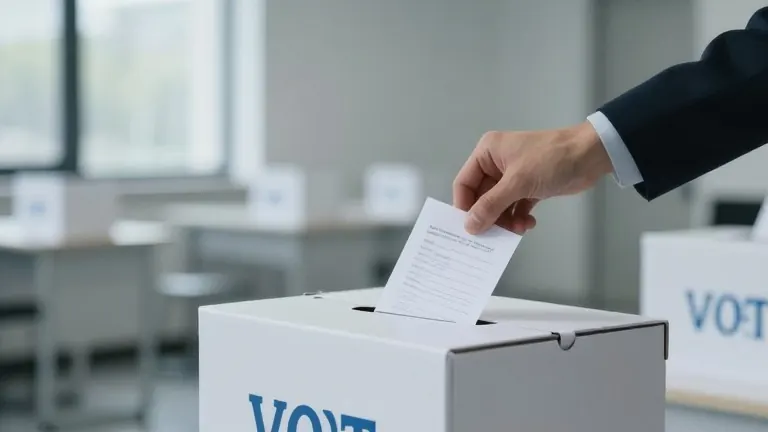
Voters in Serbia rejected the eleven-year rule of President Aleksandar Aleksic on Sunday, electing a student-led coalition in a snap parliamentary vote. The movement, which emerged from months of campus protests, secured 46 percent of the total vote. This result forces a change in government and ends the current administration's hold on power.
The student bloc entered the race after organizing widespread demonstrations against economic stagnation and political opacity. The coalition united several smaller parties under a single banner to challenge the ruling party. Campaigners focused on fiscal reform and youth unemployment as their primary planks.
Aleksic first took office in 2015 and has led the country through two previous terms. His party maintained control of the legislature despite declining approval ratings in recent polls. The snap election was called following a deadlock in parliament earlier this year. The vote was held on short notice to break the political impasse.
In a statement, the student leaders vowed to form a government within the constitutional timeframe. They pledged to audit state spending and open records on major infrastructure contracts. The coalition plans to invite other opposition groups to join a broader cabinet.
Aleksic’s party acknowledged the results and promised to cooperate with the new administration. His party received 38 percent of the vote, retaining a substantial minority in the assembly. He stated that the transition would be peaceful and orderly.
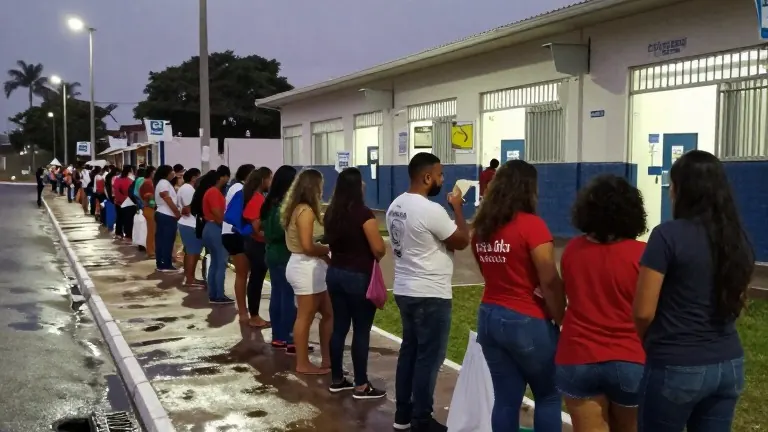
Turnout for the election reached 61 percent, a high figure for a snap vote in the region. Polling stations opened at 7:00 AM local time and closed at 8:00 PM. Election officials reported no major disputes in the early count. The final certification is expected by the central electoral commission within 72 hours.
The student movement began in late 2025 with protests over a failed energy deal. Demonstrators occupied the main university square in Belgrade for three weeks. The movement gained traction as it expanded its agenda to include housing costs and healthcare access. By October 2026, the coalition had registered as a formal political entity.
Key economic indicators show the country faces a budget deficit of 4.2 percent of GDP. Inflation has hovered near 9 percent for the past two quarters. The new bloc’s economic advisor said the priority is to stabilize the currency and attract foreign investment. They aim to present a budget proposal to the assembly by the end of the month.
Source: Cascade PBS