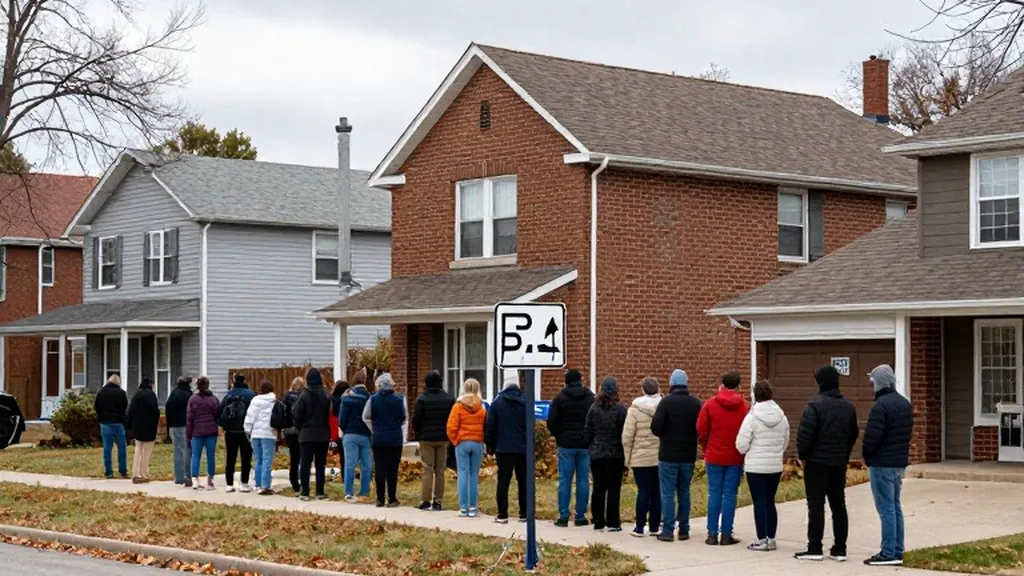
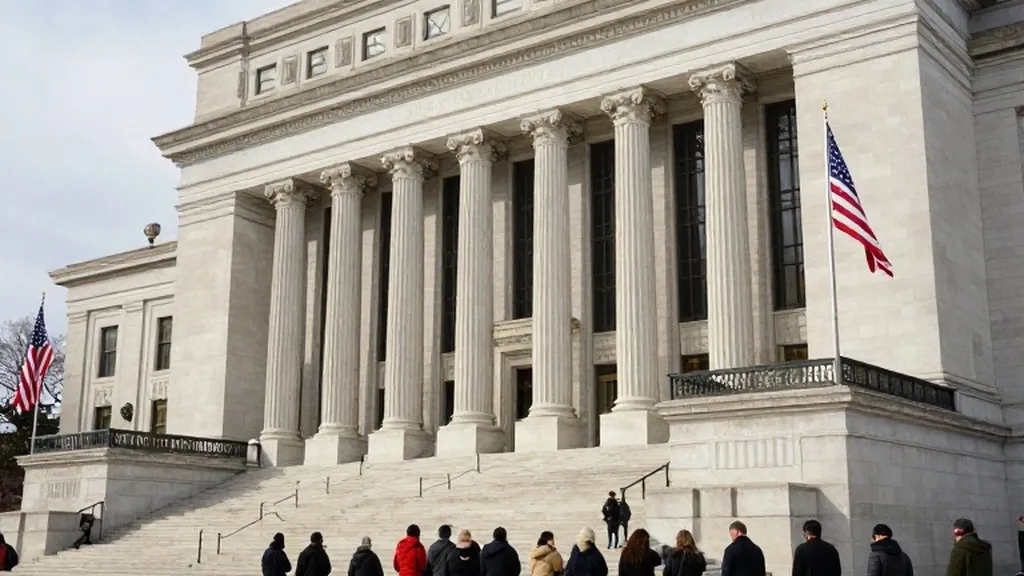
57 Million Have Voted: The High-Stakes Turnout Battle
With early voting surging, party leaders and ground teams are focused on mobilizing the last undecided voters to secure control of Congress.
By Gabriel Qureshi ·
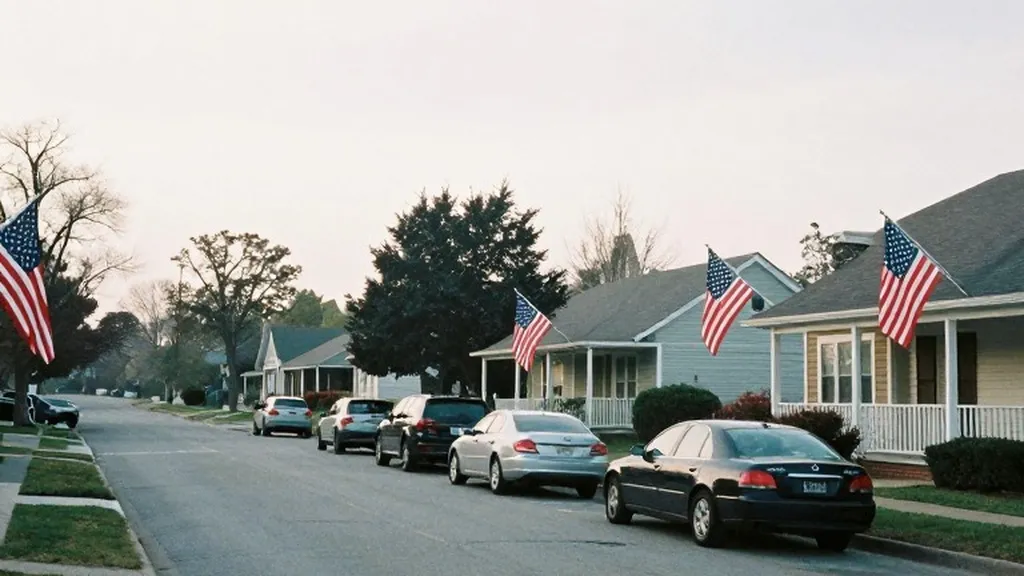
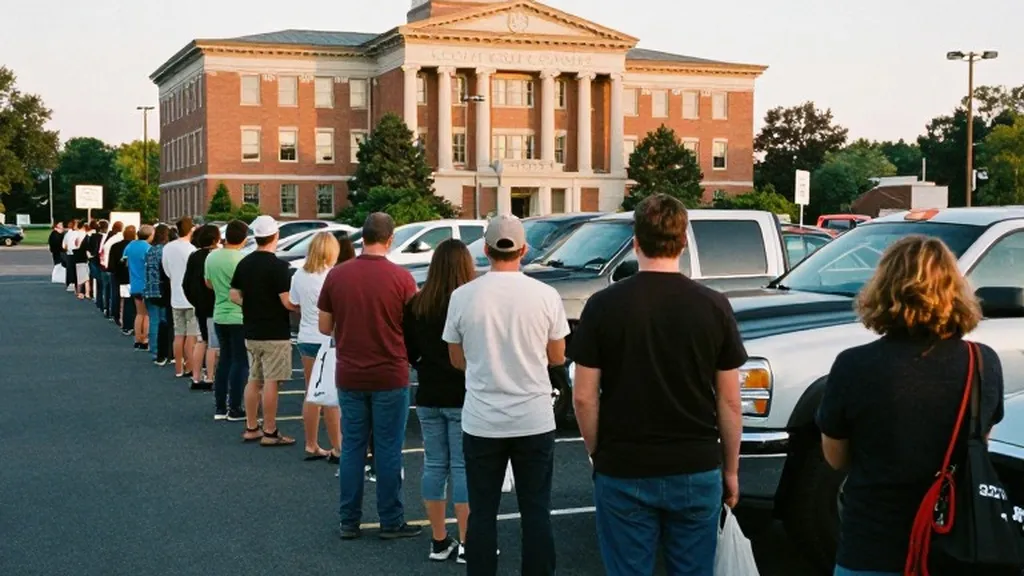
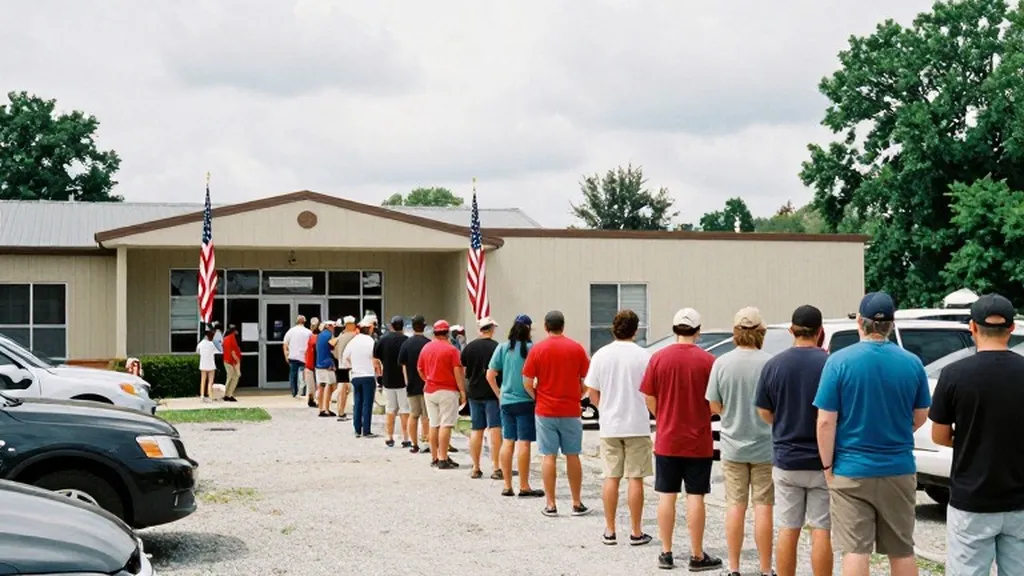
It is Election Day, Tuesday, November 3, 2026, and the nation is in the final stretch of a midterm contest that will determine who controls Congress for the remainder of President Donald Trump's second term. All 435 seats in the U.S. House and 35 of 100 Senate seats are up for grabs, along with 36 governorships. The Associated Press reports that more than 57 million people had already cast their ballots as of Monday, surpassing the early vote totals from four years ago in many closely watched states. This surge in participation has shifted the focus of both political parties from persuasion to mobilization, as they race to turn out their base in the final hours of voting.
The stakes for the House are particularly delicate. Republicans currently hold 218 seats and Democrats hold 214, with one independent and some vacancies. Democrats need a net gain of three districts to take control, while Republicans can afford to lose no more than two seats. Ballotpedia identifies 46 battleground districts, split between 25 held by Democrats and 21 by Republicans. In the Senate, Democrats need a net gain of four seats to achieve a majority, whereas Republicans can lose only two. The Associated Press notes that one or two seats could tip the balance in either chamber, making the outcome of this election a coin toss in several key states.
Party leaders have framed the day's strategy around the concept of turnout. Joe Gruters, the Chairman of the Republican National Committee, stated that everything depends on voter participation. He said, "If we turn out our voters, we win, and that's what we've been planning for." Gruters emphasized that the ground game has been meticulously designed to ensure that reliable Republican voters make it to the polls. This approach reflects a broader Republican strategy to protect their Senate majority while bracing for potential losses in the House.
On the other side of the aisle, Suzan DelBene, the Chair of the Democratic Congressional Campaign Committee, offered a different perspective on the driving force behind the vote. She said, "The American people are angry. They want change." DelBene's comments highlight the Democratic focus on economic grievances and dissatisfaction with the current administration's policies. The Associated Press describes the election as a referendum on Trump's second term, with voters struggling with high prices and anger over an unpopular war with Iran. This sentiment appears to be fueling the high early vote numbers observed in states like Georgia, Michigan, and Pennsylvania.
The ground game has been intense, with both parties deploying resources to their most competitive districts. Trump held dozens of rallies in the final week, ending in Salina, Kansas, where he urged supporters to treat the Senate race as if he were on the ballot. However, many Republican candidates kept their distance from the president to appeal to swing voters. Democrats have focused their efforts on states where Trump won in 2024, such as Arizona and Wisconsin, where they are defending governorships held by their party. The Associated Press notes that Democrats are cautiously optimistic, but they acknowledge the difficulty of overcoming the midterm pattern where a president's party almost always loses seats.
Voter sentiment on the ground reflects a mix of approval and frustration. Mark Barker, a voter in Palm Beach Gardens, Florida, said he has been following Trump the whole time and believes he is doing an awesome job. In contrast, James Moore, a 57-year-old librarian in Raleigh, North Carolina, expressed concern over rising costs, saying he is paying more taxes and more for healthcare. These individual voices illustrate the broad divide in opinion that is shaping the election. The Associated Press-NORC polling shows that 35% of U.S. adults approve of Trump's job performance, while about seven in 10 say the country is heading in the wrong direction.
Money has played a significant role in shaping the landscape of this election. The 2026 elections are likely to be the most expensive in history. Republican committees outraised and outspent Democratic committees, helped by Trump-affiliated groups and contributions from Elon Musk. However, at the candidate level, Democrats outraised their opponents. An analysis of AdImpact data by the Associated Press found that 88.1% of Republican general election TV ad spending went to states and districts Trump won in 2024. This strategic focus suggests that Republicans are prioritizing defense in their strongholds while Democrats fight for gains in competitive areas.
Election administration has also been a point of contention. A federal judge temporarily barred the Trump administration from carrying out a plan to prevent noncitizen voting, a move critics say risks disenfranchising eligible voters. The U.S. Postal Service added hours and staff to ensure mail ballots are counted on time. These administrative efforts are crucial given the high volume of mail-in votes in states like California and Oregon. The Associated Press reports that Democrats fear interference and intimidation as the Justice Department threatens to prosecute local election officials, adding a layer of complexity to an already high-stakes race.
The outcome of this election will have significant implications for the next two years of presidential governance. If Democrats win even one chamber, investigations and possible impeachment proceedings become likely. House Democratic Leader Hakeem Jeffries has outlined a 100-day agenda focused on the cost of living and oversight if he becomes Speaker. Republicans, meanwhile, are hoping to break the midterm trend and maintain their control of both chambers. The new congressional maps in states like Florida and Texas may play a decisive role, as these districts are expected to be more competitive than in previous cycles.