122 Acres: Amazon's Pivot From Data Centers to Housing in Loudoun County
Amazon has abandoned plans for four new AI data centers in Northern Virginia, opting instead for residential development and a $5 million housing donation.
By Julian Kobayashi ·
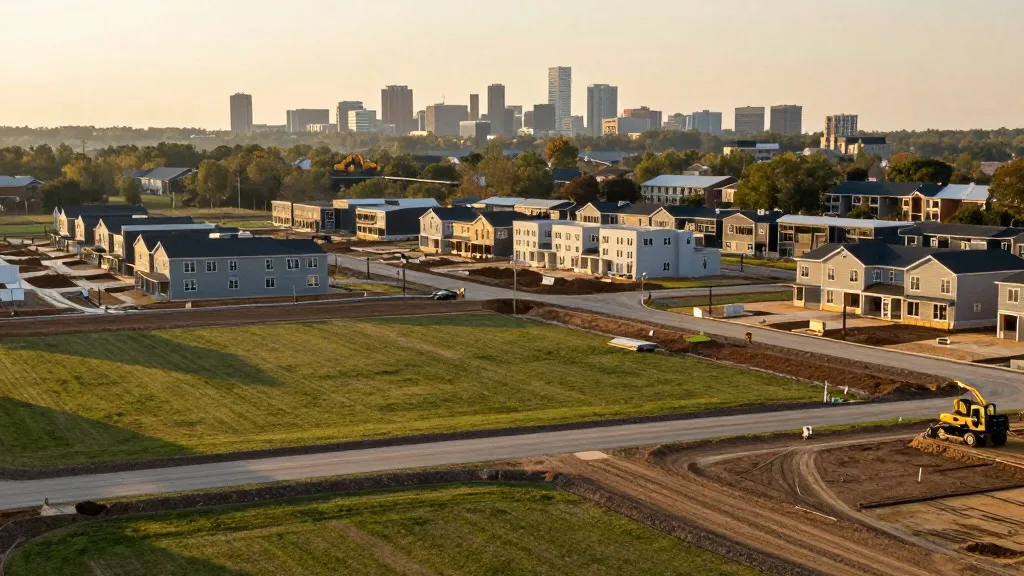
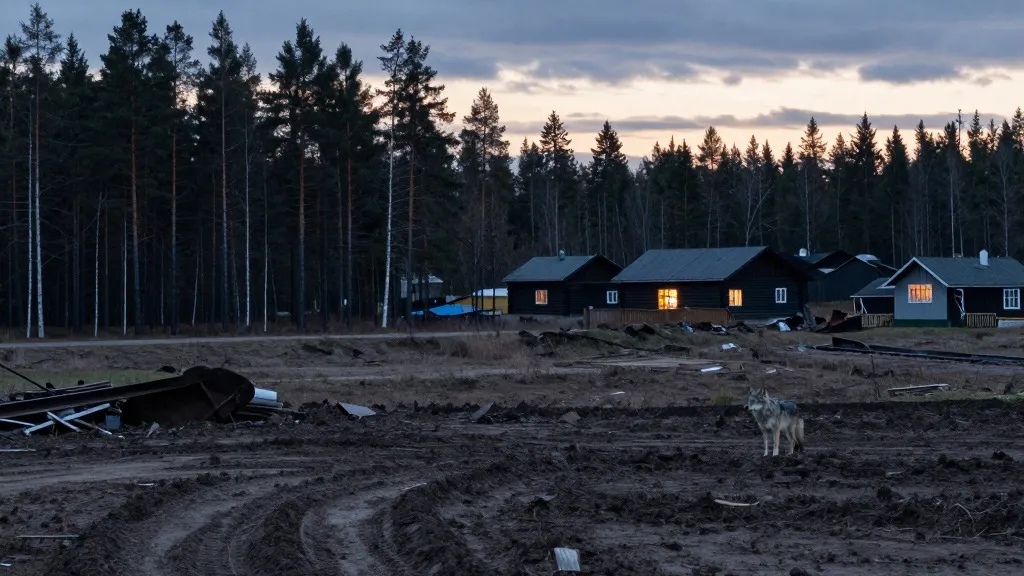
Amazon has officially withdrawn its proposal to construct four new data centers on a 122-acre parcel in Loudoun County, Virginia. The tech giant, which had intended to build on the former George Washington University campus, has decided to pivot the project toward mixed-use and residential development. This shift comes after significant resistance from local residents who feared the environmental and logistical burdens of expanding the region's already dense infrastructure.
The decision marks a notable change in strategy for a county frequently referred to as Data Center Alley due to its high concentration of such facilities. Amazon first submitted its building proposal in July of this year. By September, the company met with Phyllis J. Randall, the chair of the Loudoun County Board of Supervisors. During those discussions, county officials suggested that an alternative use for the land might be more beneficial for the community than the originally planned server farms.
As part of the new agreement, Amazon will donate 25 acres of the property to the county. This land is designated for a community arts center and a new recreational facility. Additionally, the company has committed a $5 million donation to the county's housing fund. These contributions are designed to address local concerns and provide tangible benefits to residents who live near the site.
Josh Weissman, Amazon's vice president of data center development, explained the reasoning behind the change. He noted that while the company was eager to purchase the property when it became available, they carefully weighed the county's specific worries about data center development at that location. Weissman stated that although the company and the county viewed the legal development potential of the land differently, they agreed that a shared vision was preferable to expensive litigation.
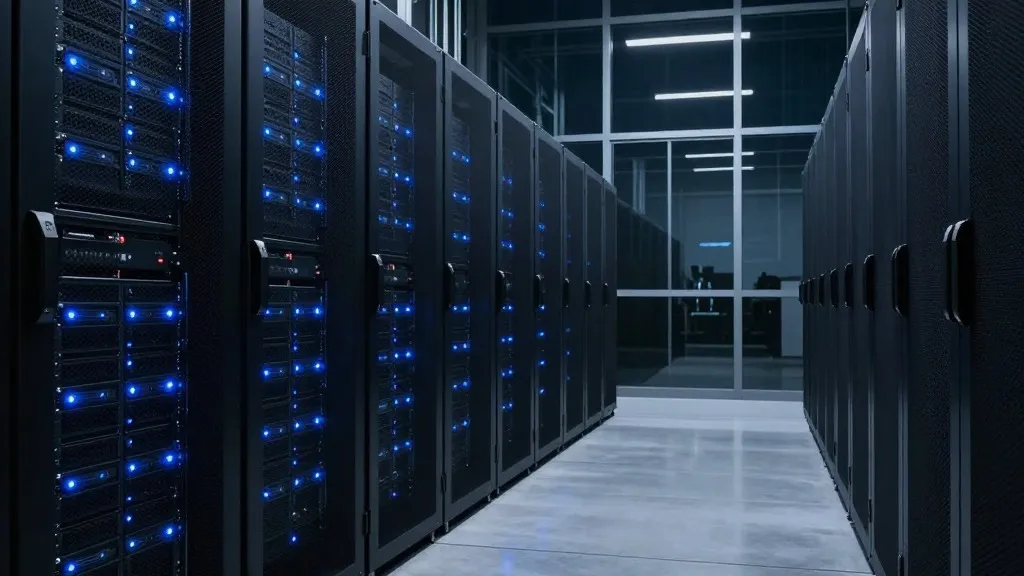
The backdrop for this decision is a growing tension between the rapid expansion of artificial intelligence infrastructure and local community needs. The surge in AI usage has increased demand for larger and more powerful facilities. However, this growth has raised alarms regarding noise pollution, electricity costs, and water usage. Local officials are increasingly scrutinizing new projects to ensure they do not strain existing resources.
President Donald Trump recently called for data center builders to share the benefits of their operations with local communities. In a recent social media post, the president suggested that these facilities should not only generate their own electricity but also sell any excess power back to the grid. This statement highlights the broader political conversation around energy costs and the impact of hyperscale computing on regional utilities.
Local leaders in Loudoun County have framed the outcome as a success of negotiation rather than confrontation. In a statement, Randall emphasized that choosing dialogue over disagreement created a unique opportunity for the county. She highlighted that the new plan provides spaces for residents to gather and play, while also offering more affordable housing options for working families. The agreement avoids a protracted legal battle and allows for immediate community development.
The repurposing of the site reflects a wider trend in the Pacific Northwest and beyond, where tech companies are reevaluating their real estate strategies. By moving away from pure data center expansion, Amazon aims to integrate more seamlessly with the local environment. The project now focuses on creating a mixed-use space that balances technological infrastructure with residential needs, potentially setting a precedent for future developments in high-demand areas.
Source: Tom's Hardware · original report published
More Business · Consumer Watch · Report a business · Got a Story?