Syrian Publics Demand Israel Withdraw From Southern Border After Fatal Raid
Massive demonstrations erupted in Damascus and Homs following the death of a disabled man during a recent military operation in the south.
By Julian Kobayashi ·
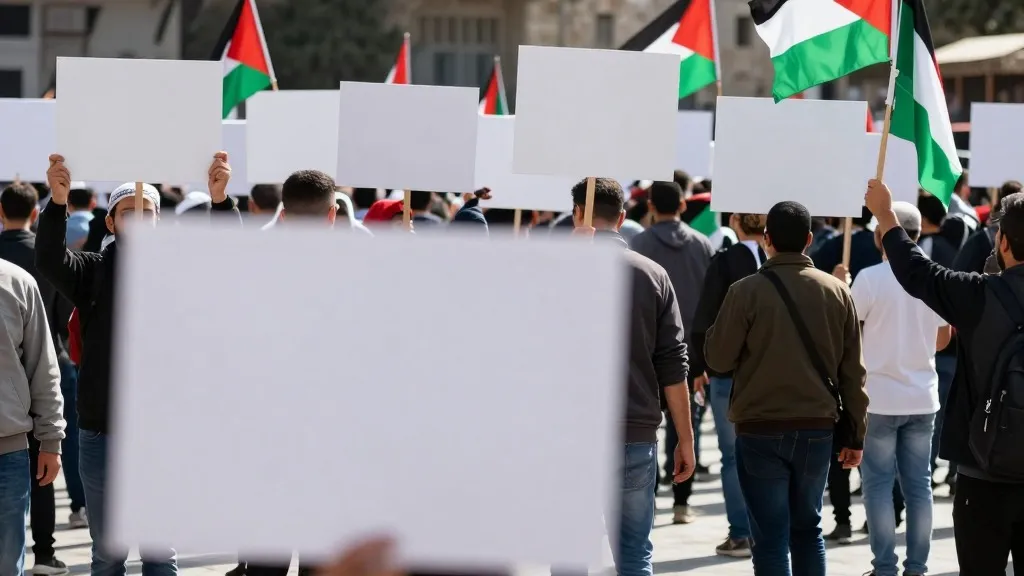
Tens of thousands of Syrians took to the streets on Friday to voice their anger over ongoing military activity along the southern border. The central focus of the unrest was a series of recent incursions by Israeli forces into the region. Public sentiment has shifted sharply as the new government faces pressure to assert control over territory near the Golan Heights.
The immediate trigger for the largest rallies was the death of Moaz, a man with special needs. Syrian officials stated that he was killed by gunfire during an operation in Daraa province earlier this week. His death has become a potent symbol for many protesters, who view it as evidence of the human cost of the security standoff.
State media outlets reported that large crowds gathered in the capital, Damascus, as well as in the central city of Homs. Participants in these demonstrations specifically called out the military operations in the southern provinces of Quneitra and Daraa. The scale of the turnout suggests that the issue has moved beyond local grievances to a national concern.
In the city of Daraa, a correspondent from the AFP news agency observed hundreds of people packed into a public rally. Many attendees waved the Syrian flag to signal national unity. Taysir al-Hariri, one of the protesters, explained the purpose of the gathering to the agency. He said the crowd wanted to "send a message to the world" that the country stands together "against Israeli incursions and against anyone who is tempted to tamper. with national security".
Visual evidence from state television broadcasts showed marchers holding signs with a specific message. The posters read "We are all Moaz." This slogan directly references the disabled man killed in the previous day's incursion. The repetition of his name in the crowd highlights how a single casualty has galvanized public support for a stronger stance against border crossings.
The demonstrations were not limited to general calls for withdrawal. Outside a United Nations building in Damascus, the family of a Syrian man seized by Israeli forces held a separate vigil. They demanded his immediate release. Several children in the group held up signs that read "I want my dad." These personal appeals underscored the ongoing uncertainty faced by families with members detained in the conflict zone.
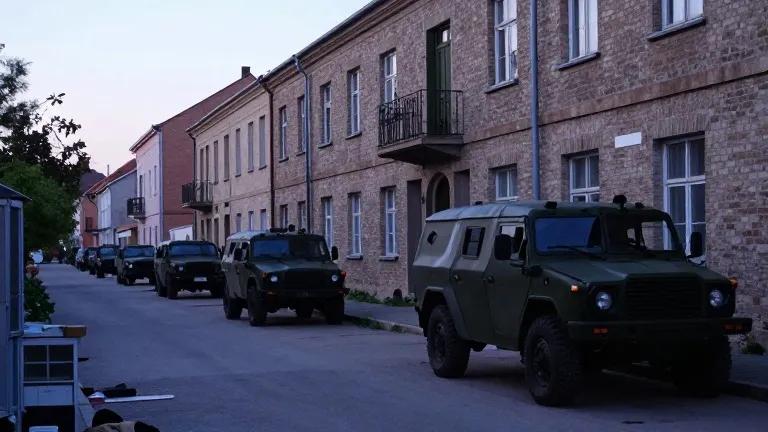
State reports on Friday detailed the specific actions taken by Israeli troops in the Quneitra province. Forces advanced into parts of the area and blocked several key roads. The military presence has involved the use of heavy machinery to clear land. Specifically, troops bulldozed local olive groves. They also established new checkpoints and detained residents who were in the area during the advance.
This surge in activity follows a broader pattern since the political transition in Syria. The current government took power in December 2024 after the fall of Bashar al-Assad. Since then, the Israeli military has conducted hundreds of strikes within Syrian territory. Incursions have become a frequent occurrence rather than an isolated event. The security landscape in the south has changed significantly in the past year.
The dispute also involves the United Nations-patrolled buffer zone. This area has separated the two armies on the Golan Heights since 1974. Israeli troops have now entered this neutral space. The move complicates the long-standing arrangement that was intended to prevent direct clashes between the forces. The presence of troops in the buffer zone signals a shift in the tactical approach of the border conflict.
Israel has outlined its strategic goals for the region. The military vowed to maintain a presence in a designated "security zone" in southern Syria. The objective is to create a broader demilitarized area. This plan aims to reduce the threat of armed groups operating near the border. The diplomatic and military implications of this zone are still being negotiated, leaving the status of the southern border in a state of flux.
Source: Middle East Eye