Oregon Ranchers Vote Republican Despite Tariff-Driven Beef Price Drop
Katie Baltzor and other growers in Hines and surrounding areas say they will stick with the GOP even as imports lower the value of local cattle.
By Yuna Fletcher ·
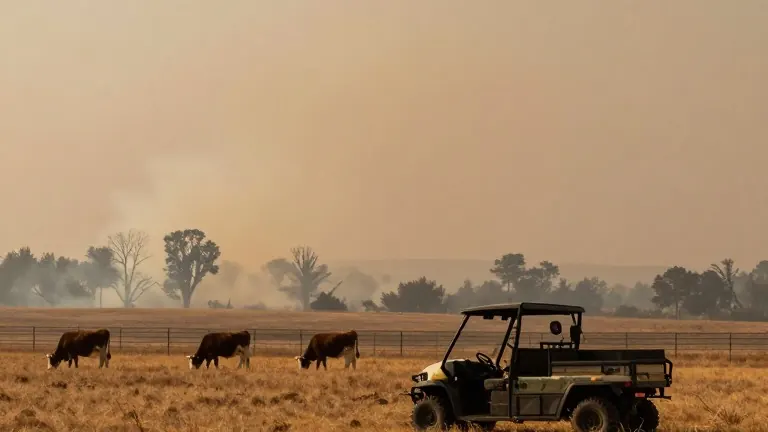
Katie Baltzor plans to vote Republican on Tuesday despite a nearly one-dollar drop in the value of her beef. She operates a 160-acre cattle ranch outside of Hines, Oregon, and cites the current administration's trade policies as a direct hit to her bottom line.
The Trump administration announced a deal in August to import reduced-tariff beef from Argentina and other nations. Officials stated the goal was to lower consumer costs. However, the increased supply immediately reduced the market value of domestic U.S. beef.
Baltzor’s operation has faced multiple financial pressures this year. Drought conditions and wildfire activity have stressed the local ecosystem. High diesel prices have also increased the cost of moving animals. She lost a $5,000 Angus bull in a fire this summer.
Even with these economic setbacks, Baltzor said she will keep her vote with the Republican Party. She expressed discomfort with the direction of the Democratic Party. "I don't like how liberal some of the candidates are becoming in the Democrat party," she said.
Baltzor argued that the Democratic Party has changed significantly from its past iterations. "I think the Democrat party has really shifted from the way it used to be, I don't think it's like Bill Clinton or Obama," she noted. This sentiment mirrors the views of other ranchers in the region who are weighing their ballots ahead of the November election.
Anna King of Northwest Public Broadcasting spoke with several ranchers in the area. These producers are largely located outside of major metropolitan hubs. They report that while the tariffs hurt their industry, the political alignment remains strong with the GOP.
The voting behavior of these rural producers is a focal point for local campaigns. The trade deal with Argentina is one of several economic factors influencing the district. As the early voting period concludes, these ranchers represent a key demographic in the upcoming midterm results.
The impact of the beef imports is measured in cents per pound. The reduction of nearly a dollar in value represents a tangible loss for producers. Baltzor and her peers will cast their ballots on Election Day to decide the future of their political representation.
Source: KOPB-FM