Hawaii Agency Adapts to Local Needs
The Heʻeia project in 2011 taught HCDA to partner with local nonprofits rather than applying a uniform development model.
By Gabriel Qureshi ·
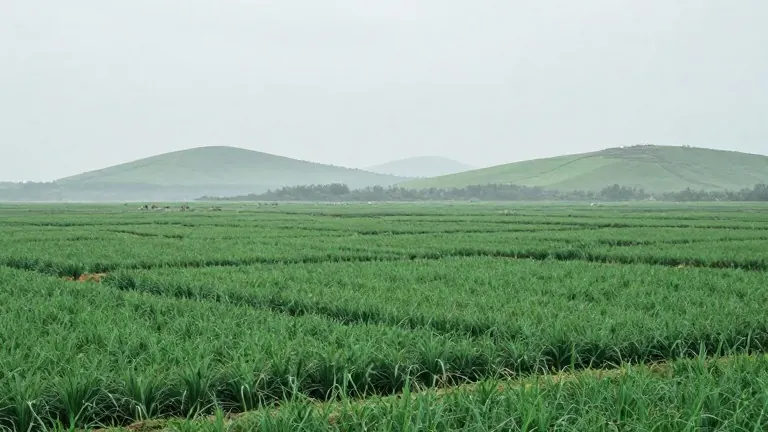
For residents in Windward Oʻahu, the approach to land management has shifted toward preserving agricultural traditions. The Hawaiʻi Community Development Authority (HCDA) now prioritizes local partnerships over standardized urban development plans. This change in strategy stems directly from the agency's work in the Heʻeia area.
In 2011, the state Legislature created the Heʻeia Community Development District. This move placed approximately 400 acres of wetlands on the windward side of the island under HCDA control. The site differed sharply from the agency's previous focus in Kakaʻako. Heʻeia required a strategy centered on wetland restoration and the continuation of traditional Hawaiian farming practices.
HCDA recognized that its own expertise was insufficient for this specific environment. The agency formed a partnership with Kākoʻo ʻŌiwi, a nonprofit organization focused on cultural restoration and sustainable agriculture. Together, the two groups worked to restore wetlands and revitalize loʻi kalo, which are traditional taro patches. They also developed infrastructure designed to support agriculture while respecting the cultural significance of the land.
The success of this collaboration became a core lesson for HCDA. As the agency expanded its responsibilities, it moved away from a one-size-fits-all process. It now handles a diverse range of projects, including housing, infrastructure, and climate resilience efforts in various communities.
HCDA is currently approaching its 50th anniversary. The agency cites the Heʻeia experience as a key factor in how it currently listens to and works with communities. The partnership with Kākoʻo ʻŌiwi remains a central part of the agency's operational history.
Source: Governor of Hawaii newsroom