SpaceX Shares Surge After Record Quarter and Bold AI Expansion Plans
A blowout earnings report and aggressive infrastructure spending have sent SpaceX stock higher, prompting major Wall Street firms to sharply raise their price targets.
By Arjun Patel ·
The space industry giant has captured Wall Street’s attention once again, with investors reacting strongly to its latest financial results. Following the close of trading on October 20, SpaceX delivered a third-quarter report for 2026 that far exceeded expectations, triggering a sharp increase in share prices during after-hours and premarket sessions on October 21. The stock, which had closed the previous day at $147.79, jumped approximately 8 percent in early trading as the market digested the news.
To understand the current momentum, it is helpful to look at how the company’s business lines have evolved. The Super Intelligence division, focused on AI, emerged as the largest revenue generator, producing roughly $7.6 billion. This represents a nearly 830 percent year-over-year increase. Meanwhile, the Connectivity segment contributed $5.2 billion, driven by subscriber growth that pushed the total Starlink consumer base to 13.6 million. Overall, the company reported total revenue of $14.6 billion, a 161 percent jump from the prior year that significantly outpaced consensus estimates of around $12.7 billion. The firm also swung to a net profit of $4.4 billion, reversing a loss from the same period in the previous year.
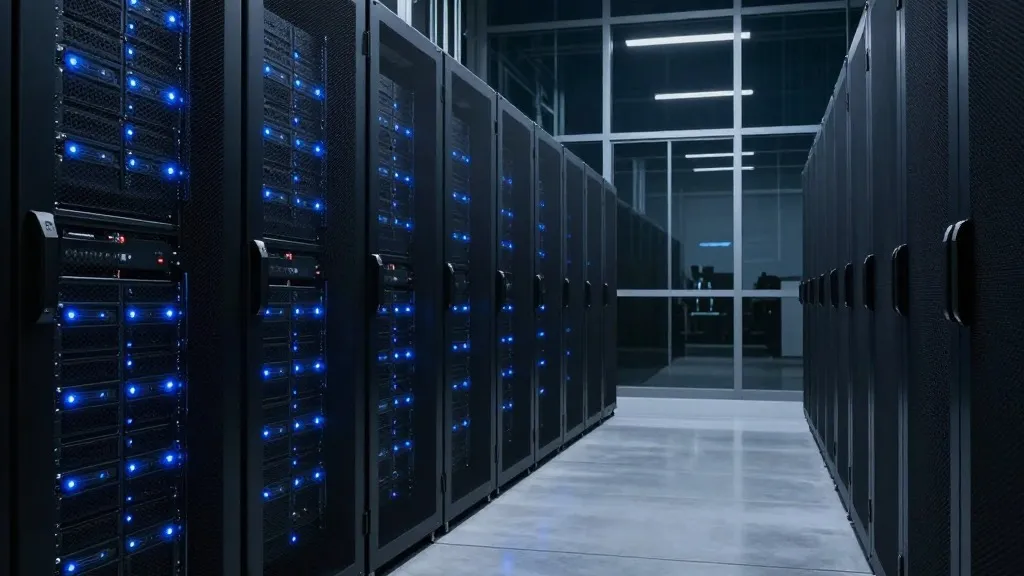
The immediate future looks even more ambitious, particularly regarding capital allocation. During the earnings call, CEO Elon Musk and CFO Bret Johnsen provided revenue guidance for the first quarter of 2027 ranging from $33 billion to $37 billion, a figure substantially higher than the approximately $22 billion analysts had previously modeled. To support this growth, management outlined fourth-quarter capital expenditure plans of $35 billion to $40 billion. These funds are earmarked primarily for AI compute infrastructure at locations including Memphis and Southaven, with targets of 2.5 to 3 gigawatts of capacity by year-end and a pathway to 13 gigawatts or more by the end of 2027.
Analysts responded to these figures with a wave of upward revisions to their price targets. JPMorgan more than doubled its target to $500 from $240, maintaining an Overweight rating. Cantor Fitzgerald raised its target to $345 from $246, while both Barclays and Morgan Stanley set targets at $300. Other major firms, including Citi, UBS, and TD Cowen, also increased their projections to $240, $230, and $224, respectively. Wells Fargo and Clear Street adjusted their targets upward to $274 and $248 as well.
The consensus among these financial institutions cites the strong quarterly performance, the rapid expansion of AI computing capabilities, and continued progress with Starship and Starlink as key drivers. Musk noted that demand from hyperscalers remains relentless, with compute pricing supporting payback periods of less than a year, and in some cases as short as six months. Additional highlights mentioned during the call included Starship’s recent orbital success, the deployment of V3 satellites, and the rapid adoption of Grok Bot.
Beyond financial metrics, the company discussed the formation of special committees to explore a potential combination with Tesla. This strategic move, along with spectrum expansion plans and enterprise momentum for Starlink, suggests that SpaceX is positioning itself for sustained growth. While the elevated spending levels remain a point of focus for investors, the overall trajectory across launch, connectivity, and AI has generated greater conviction in the stock’s long-term value.
Source: Teslarati