Votel: Iran strikes lack clear finish line
The retired general argues that without defined objectives on enrichment and the Strait of Hormuz, military actions will only delay the conflict's resolution.
By Gabriel Qureshi ·
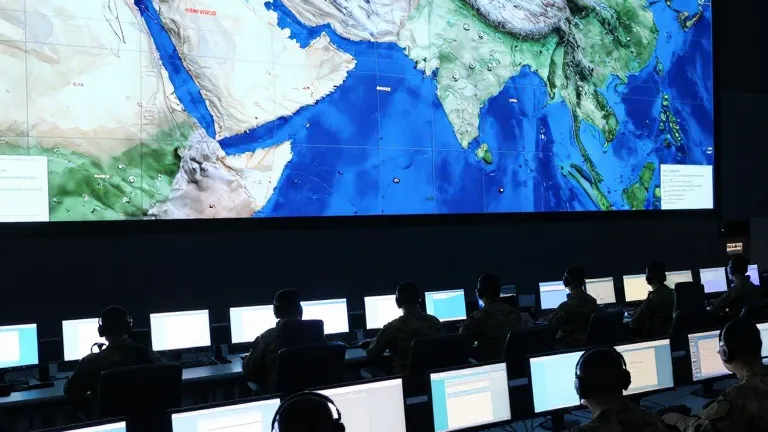
Retired Army Gen. Joseph Votel stated on October 23 that new U.S. and Israeli attacks on Iran are unlikely to end the war. While fresh strikes could weaken Iranian capabilities, they will not resolve the conflict unless Washington defines a specific end state, according to Votel, who spoke with NPR's Leila Fadel.
Votel, who led U.S. Central Command from 2016 to 2019, now chairs the Combating Terrorism Center at West Point. He noted that many likely targets have already been hit previously. Iran has demonstrated its ability to rebuild these assets, meaning strikes primarily buy time and punish Tehran rather than shift its strategic calculus.
The former commander identified two main requirements for a successful campaign. First, Washington must clearly define the objective. In his view, this centers on resolving the enrichment issue and reopening the Strait of Hormuz. Second, the U.S. must coordinate military, economic, diplomatic, and information pressures toward that single goal.
Votel pointed to the financial sector as the area showing the most visible progress. He cited reporting that Iran's ghost fleet has run out of oil, a result of the blockade and sanctions. Although this approach requires patience, he described there as being definite movement in the right direction.
The general also addressed the military readiness of U.S. forces in the region. He confirmed that American offensive power is substantial and the ability to strike is not in question. However, he flagged missile defense as a potential constraint. Previous reporting has highlighted heavy pressure on defensive interceptors that protect U.S. forces, regional partners, and critical infrastructure.
Votel described the current U.S. aims as difficult to read but linked them to domestic economic benefits. Reopening the Strait of Hormuz would allow oil and commerce to move more freely, which he said would help lower gas and diesel prices at home. He identified Iran's nuclear program and its use of proxies, including the Houthis, as secondary concerns compared to the primary issues of Hormuz and enrichment.
Source: NPR