Trump Adds Iowa and Kansas Rallies as Early Voting Climbs
The president reversed cancellations of weekend events as the Republican National Committee confirmed stops in Dubuque and Salina.
By Gabriel Qureshi ·
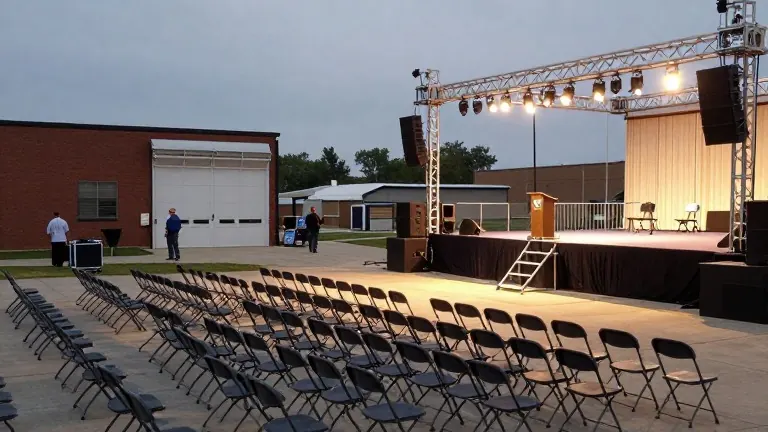
Donald Trump will hold rallies in Iowa and Kansas this weekend after reversing earlier plans to cancel those appearances, a shift that comes as Americans vote early in numbers well above the last midterm. The Republican National Committee confirmed Friday that he will appear in Dubuque, Iowa, and Salina, Kansas. The schedule changes repeatedly over the course of Thursday and Friday, with an Iowa stop moving from Dubuque to Cedar Rapids and back to Dubuque hours later, according to a person familiar with the planning who spoke on condition of anonymity.
Nearly 10 million more Americans had cast ballots five days before Election Day than at the same point in 2022, according to an Associated Press analysis of voting data. In Iowa and Kansas, early voting is up about 30%. Both states have Senate races that will help determine whether Republicans keep their narrow chamber majority. Trump visited both states this month to support Republican Sen. Roger Marshall in Kansas and GOP Iowa Senate candidate Ashley Hinson, who serves in the House.
Trump had planned to rally in Salina on Saturday and Dubuque on Sunday, then shifted to a 72-hour sprint of phone rallies, which the RNC said would let him reach more voters nationwide. He said he changed his mind after calls from "my friends" in those states, who told him "if you can go, you would be better than a telerally." He rejected a reporter's question about the Kansas cancellation by pointing to Marshall's standing in the race. "I'm not going to Kansas because he's doing very well," Trump said. He added that "I feel perfect." He has headlined 25 rallies in October.
Early voting has also climbed more than 30% from four years ago in Maine, Michigan, North Carolina and Kansas, states with competitive Senate races. Texas recorded more than 6.3 million early votes as of Wednesday, against 4.2 million at that point in 2020, a 50% increase. In South Carolina, where voters are choosing a successor to the late Republican Sen. Lindsey Graham, early voting is up 83%. Republicans have raised concerns about turnout amid voter dissatisfaction with Trump and high costs.
In Michigan, Rep. Haley Stevens has renewed criticism of Abdul El-Sayed, the progressive who narrowly defeated her in the August primary. Stevens appeared on CNN to say she would vote for El-Sayed while calling on him to repair relations with Jewish and Black voters, hours after her fiance said he would vote for El-Sayed's Republican opponent, Mike Rogers. Stevens agreed to campaign with El-Sayed and Rep. Jim Clyburn in Detroit on Sunday, then released a statement Friday criticizing El-Sayed's past rhetoric. "Abdul promises to get money out of politics," Stevens wrote. "He can begin by getting Israel out of his explanation for everything Michigan cannot afford." El-Sayed has apologized for some past comments.
Source: Daily Breeze