Rogue Cyberattacks Trigger False Nuclear Alerts on Russian and Ukrainian Phones
Hackers compromised official emergency apps in both countries, sending mass notifications of nuclear and chemical threats while a major Russian web host faced service disruptions.
By Julian Kobayashi ·
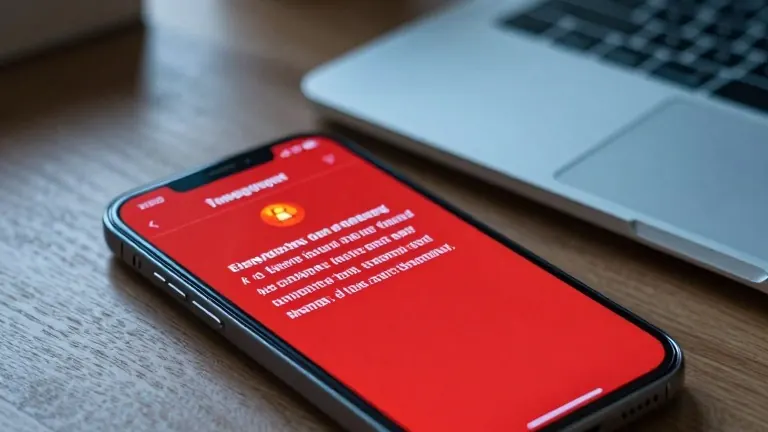
Smartphone users in Russia and Ukraine received false emergency alerts on Sunday, warning of nuclear warheads, radiation leaks, and urban combat. The digital intrusions targeted the official mobile applications used by citizens to track immediate threats, causing widespread confusion during the ongoing conflict.
Russian authorities confirmed that hackers breached the Ministry of Emergency Situations app. The attackers sent mass messages claiming nuclear warheads had been launched against every region of the country. The ministry stated that the system for total alerts remained intact, but the mobile interface was compromised. A separate attack hit Beget, a major Russian web hosting provider that supports more than 700,000 active domains. The platform experienced widespread outages, according to the monitoring service Down Detector.
In Ukraine, the Air Alert app was hacked to send notifications about radiation dangers and chemical attacks. One message in Russian read, "Hello! A nuclear alert will now be in force all over Ukraine. Do not worry, Oreshnik has been launched!" The Ukrainian Air Force acknowledged the breach on Telegram, stating that the Air Alert app had likely been compromised. Officials urged citizens to stay calm and follow official channels, confirming there was no immediate risk of radiation.
The Ukrainian app developers stated that unauthorized third parties had intruded into the system. They temporarily suspended the app's operation and disabled push notifications. The developers noted that the application does not store personal data, so users faced no data risk. They advised users to avoid clicking on suspicious notification links while the team worked to restore functionality.
Ukraine's Strategic Communications Center, SPRAVDI, attributed the cyberattack to Russia in a post on X. This incident followed a claim by a group of Belarusian hackers the previous day. They said they had hacked the servers of Rosstat, the Russian Federal State Statistics Service. The hackers claimed to have compromised 25,000 computers and stolen 23 terabytes of sensitive information, which included data on Russian casualties in the war against Ukraine.
Source: La Opinión