Autonomy Pivot: Tesla targets software revenue after ceding EV market lead
A proposed merger with SpaceX aims to accelerate autonomous driving capabilities, while the company scales back its 2030 vehicle sales target to 5 million units.
By Yuna Fletcher ·
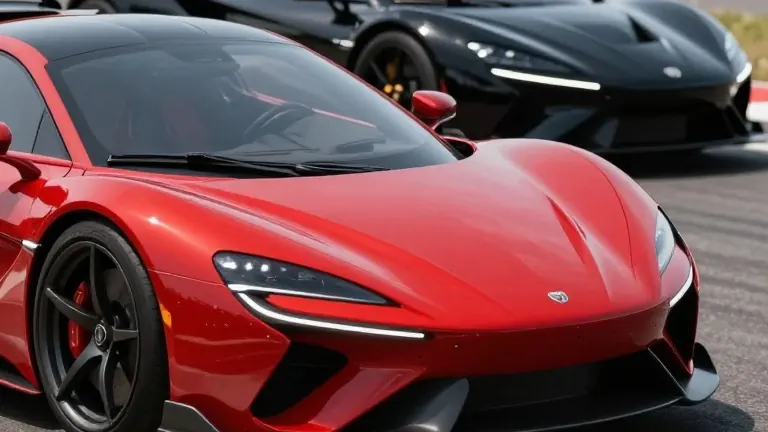
Elon Musk’s Roadster recently performed a viral stunt, jumping and flipping through the air using compressed-gas thrusters developed by SpaceX. The spectacle served as a public preview for a larger strategic shift. Five days after the demonstration, Musk revealed that Tesla and SpaceX are exploring a merger. The primary goal of this potential deal is to accelerate Tesla’s push into autonomous driving, marking a move away from a business model that relies heavily on vehicle sales alone.
The automotive industry is currently grappling with intense competition from Chinese manufacturers. These rivals are not only winning the electric vehicle race but are also investing heavily in software and artificial intelligence. As a result, traditional automakers are seeking to generate recurring revenues from AI-powered services. Dan Ives, a tech analyst and partner at Yorkville Ives, noted that the software component offers high margins, describing it as the "golden goose" that automakers are now targeting.
Despite the strategic pivot, the car business remains the financial engine for Tesla. It generates 75 percent of the company’s total revenues. These funds are essential for the heavy spending required in AI to compete with major technology rivals. However, Musk faces a different competitive environment than when Tesla launched its first battery-powered Roadster in 2008. Chinese rivals are now challenging Tesla on both hardware and software fronts.
Musk’s earlier goal to sell 20 million vehicles a year by 2030 has been reduced. The new target is 5 million units annually. This revised goal remains ambitious, particularly because Tesla delivered only 1.6 million vehicles last year. Analysts indicate that the key to reaching this 5 million figure in the near term is the adoption of Tesla’s “Full Self-Driving” software. Despite its name, the system still requires a human driver to sit in the seat and maintain full attention.
Source: Ars Technica