HHS Orders FDA to Stand Down on Popular Wellness Peptides
A new policy allows specialty pharmacies to sell unapproved injectables like BPC-157 and TB-500, a move opposed by FDA scientific staff who warned it weakens safety standards.
By Gabriel Qureshi ·
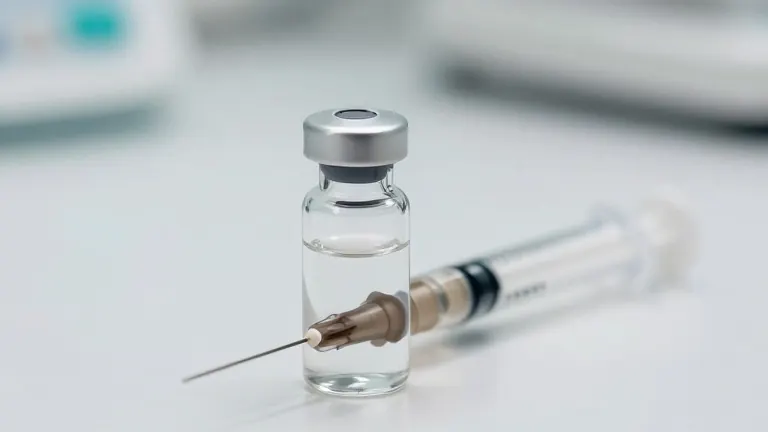
The Trump administration moved to loosen federal rules on injectable wellness peptides, a shift that Health Secretary Robert F. Kennedy Jr. has personally championed for years. The Department of Health and Human Services published a policy on Wednesday that directs the Food and Drug Administration not to penalize specialty pharmacies selling specific unproven chemicals.
This decision marks a sharp departure from the FDA’s long-standing role in screening new drugs for safety and effectiveness. For decades, the agency has acted as the gatekeeper for medical products, keeping substances that have not passed rigorous testing out of the U.S. market. The new policy bypasses that standard review process for a specific group of injectables.
The timeline of the change reveals internal friction within the government. HHS officials initially sought to have the FDA draft a formal regulation that would classify BPC-157, TB-500, and KPV as safe for compounding. FDA scientific staff pushed back, citing major safety concerns. According to six people familiar with the deliberations, the agency’s experts opposed the changes and had limited input during the final drafting.
In response to this internal pushback, HHS shifted its strategy. Instead of a regulation declaring the drugs safe, the department issued a directive telling the FDA to refrain from enforcing its rules against pharmacies that compound these substances. This approach allowed HHS to lead the policy while relying on the FDA for technical assistance in drafting safety guardrails.
The policy covers a half-dozen peptides promoted in the wellness industry for uses including muscle building, injury healing, and energy boosting. Under current FDA rules, these chemicals are illegal drugs because they have not undergone the agency’s standard review. Kennedy, who has described himself as a big fan of peptides, stated that the change advances patient choice while protecting consumers from unscreened products sold online.
Supporters in the medical and business communities have welcomed the move. Lee Rosebush of the American Academy of Peptide Medicine called it a huge step for medical freedom. Major telehealth providers, including Hims & Hers, have announced plans to offer these peptides once the policy takes full effect. Wall Street analysts estimate the market for these products could exceed $2 billion.
Critics, however, point to the lack of scientific consensus. Dr. Peter Lurie, a former FDA official and current head of the Center for Science in the Public Interest, noted that the FDA has already approved rigorously tested drugs for conditions like insomnia, anxiety, and migraines. He warned that diverting patients to unproven peptides could lead to unnecessary suffering. Lurie also questioned the timing, suggesting the move was a signal to Kennedy’s Make America Healthy Again supporters ahead of the midterm elections.
The policy includes specific requirements for pharmacies, such as using ingredients from FDA-registered factories and collecting side-effect data. However, Lurie noted that the FDA technically lacks the legal authority to enforce these pharmacy-specific rules. The decision follows a July meeting where an outside expert panel, selected by HHS, voted to drop restrictions on the six peptides. The panel included several doctors and consultants with ties to the peptide industry.
Source: Orange County Register