Four Mass Shootings in Oregon Prompt Calls to Enact Stalled Gun Laws
Advocates urge the state to finalize Measure 114 and increase penalties for unsafe storage following the fatal shooting at a Bend elementary school.
By Julian Kobayashi ·
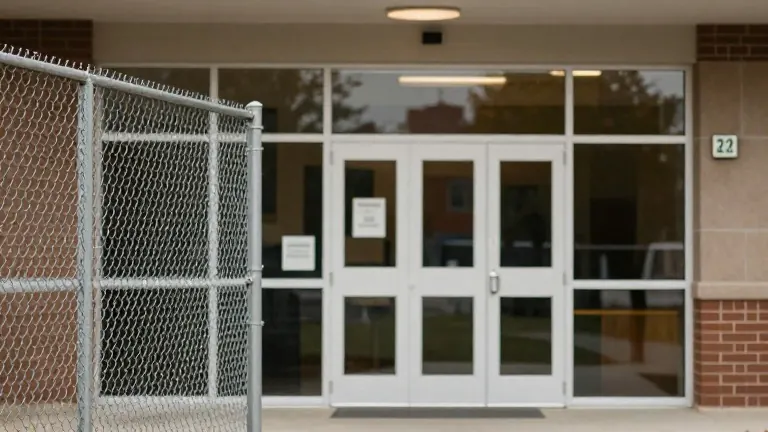
Oregon has recorded four mass shootings since the start of 2026, a rate that prompts gun safety groups to push for faster implementation of existing state laws. The most recent incident occurred on Oct. 15 at Silver Rail Elementary School in Bend, where three students and one teacher died. The shooter was a 16-year-old who entered the school over a fence and fired a shotgun through locked doors.
The state ranks 12th in the nation for gun safety regulations according to Everytown for Gun Safety. Current laws restrict firearms in the state capitol and on university campuses. They also bar domestic abusers with restraining orders and certain violent misdemeanor offenders from purchasing guns. In 2023, Oregon banned the sale of 3D-printed and homemade ghost guns.
Voters approved Measure 114 in 2022 to ban high-capacity magazines and mandate safety training for buyers. The measure remains inactive due to legal challenges. The Oregon Supreme Court is currently reviewing the case. If the court upholds the measure, it will take effect in January 2028.
Amie Wexler, executive director of the Alliance for a Safe Oregon, said the required safety course under Measure 114 might have changed the outcome in Bend. She told the Capital Chronicle that the shooter's mother, who bought the shotgun for her son's birthday, might have secured the weapon better if she had taken the course. Wexler noted that the mother would have understood state law more thoroughly if the training had been mandatory.
Measure 114 also addresses a current loophole that allows dealers to sell firearms if a background check is not completed within three days. The measure requires a completed check before any sale can occur. Penny Okamoto, director of Ceasefire Oregon Action Fund, stated that voters instructed the legislature to close this gap. She argued that the firearm industry should fund prevention agencies similar to chemical companies that pay for Superfund site cleanups.
Shawn Kollie, a Medford-based gun law attorney, explained that family members can transfer long guns to minor children without registration or paperwork. The state safe storage law requires adults to supervise minors' use of firearms. Failure to do so carries a civil penalty of up to $2,000. Okamoto described this fine as a slap on the wrist compared to the cost of gun violence.
Kollie said criminal charges against the shooter's mother are unlikely because investigators described her as cooperative. To prove criminal negligence, law enforcement would need to show she was warned about her son's mental state by school or medical staff. Subpoenaing counselors to disclose medical information would be required to build that case. If charged with reckless endangerment, the maximum penalty would be 364 days in jail and a $6,250 fine.
The next step in the legal process is the final ruling from the Oregon Supreme Court on Measure 114. Lawmakers have set the implementation date for January 2028 if the measure is upheld. Advocates continue to lobby for stricter penalties and self-reporting mechanisms for suicide prevention.
Source: Portland Tribune