Alaska Democrats and State Reach Deal to Staff Five Rural Voting Sites
Judge Thomas Matthews ordered the parties to collaborate after litigation over absentee voting closures in communities like Napaskiak and Akiak.
By Julian Kobayashi ·
Jenny-Marie Stryker, executive director of the Alaska Democratic Party, canceled a hearing scheduled for Monday morning after the state Division of Elections agreed to a new cooperation plan. The deal emerged from a lawsuit filed late last week that alleged the state failed to open dozens of absentee in-person voting locations in rural areas. Anchorage Superior Court Judge Thomas Matthews had previously ordered the party to work with state officials to find solutions for sites that remained closed.
The agreement requires the state to certify qualified individuals in affected rural communities. It also mandates that the Alaska Democratic Party and legislators from those regions assist in recruiting workers to open the voting sites. Stryker stated that the Division of Elections is still seeking help to open five specific locations: Holy Cross, Chignik Bay, Goodnews Bay, Kongiganak, and Alakanuk. The party has conducted daily check-ins with voting locations across rural Alaska over the past week to monitor operating hours and availability.
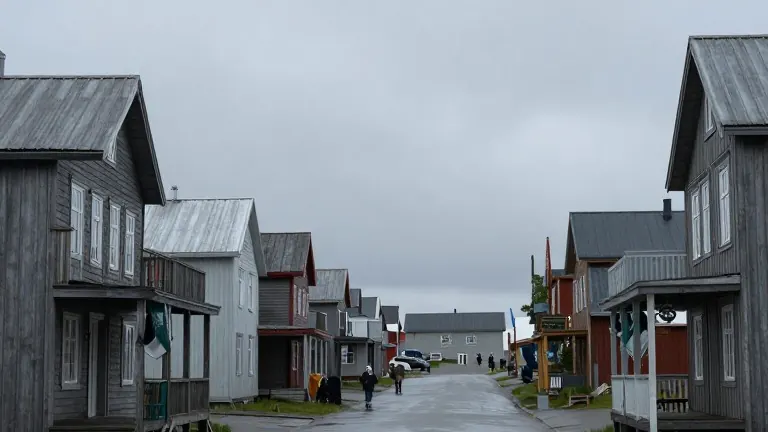
Despite the pause in litigation, Stryker reported that the party continues to encounter irregular hours and unexpected closures. She pointed to Napaskiak, which was closed on Monday despite being listed as open on the division’s website. She also noted that the location in Akiak was closed as of Monday morning, though it might open by afternoon. Stryker described the situation as a wild mix, with the division’s website information changing daily compared to the reality on the ground.
Rep. Nellie Unangiq Jimmie, a Democrat from Toksook Bay, helped recruit poll workers by making phone calls in the Yup’ik language. She criticized the Division of Elections for placing the burden on legislators to find staff while running for reelection. Jimmie noted that her district covers two dozen communities in the Yukon-Kuskokwim Delta and that mail service delays further complicate voting. She said the inconsistent access is taking away her people’s voice and expressed dissatisfaction with the division asking her to do their job.
The first lawsuit, brought by the D.C.-based nonprofit Midnight Sun Independence Fund, was resolved under terms not made public in legal filings. The organization is a major donor to the Midnight Sun PAC, which has spent more than $4 million since July on independent expenditure ads supporting former U.S. Rep. Mary Peltola’s Senate campaign. Steve Kirch, a spokesperson for the Division of Elections, did not respond to questions about the specific agreements made to end or pause the litigation in both cases.
House Speaker Bryce Edgmon, an independent from Dillingham, criticized Gov. Dunleavy’s March veto of a bipartisan election reform bill. Edgmon said the vetoed legislation would have created a rural liaison position and a ballot-curing process to allow voters to fix minor mistakes. He stated that enough is enough and expressed hope for future fixes to ensure smaller communities have the same opportunity to vote as larger ones.
Source: Alaska Star