Cleveland Rally: Obama Mocks Canada Tariffs
The former U.S. president used a recent Ohio event to ridicule the administration's trade strategy while noting that higher costs are hurting Republican chances in key border districts.
By Julian Kobayashi ·
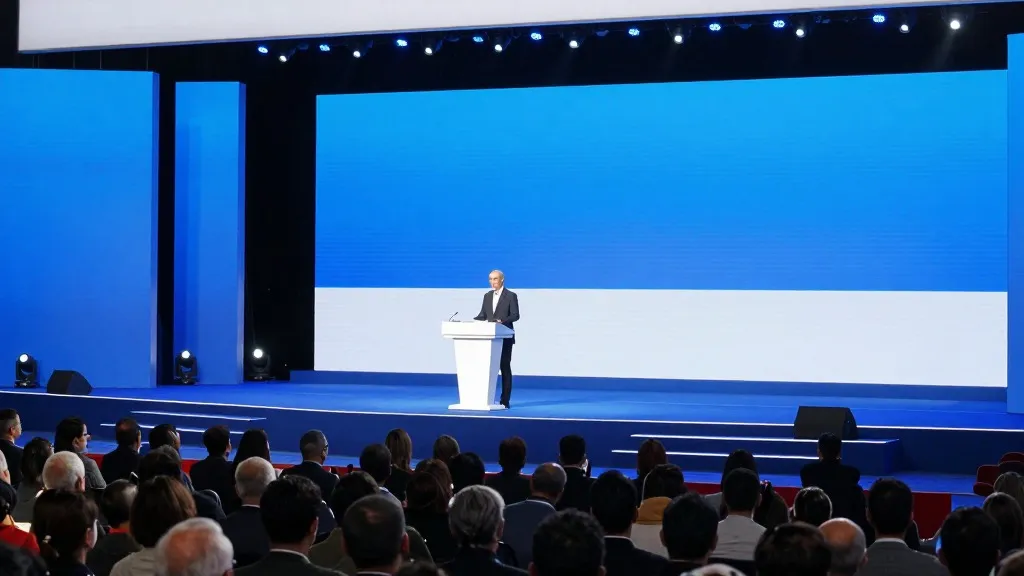
Barack Obama recently stepped onto the stage in Cleveland to deliver a pointed critique of the current White House trade strategy. During a campaign stop for Democratic candidates in Ohio, the former president highlighted the irony of fighting a commercial battle with one of the nation's oldest and closest partners. He framed the conflict as a clash against a familiar, albeit friendly, adversary to the north.
The former leader drew laughter from the crowd by referring to Canada as a well-known evil empire. He emphasized the cultural and economic contributions the country has made to American life, noting that these are the same people responsible for giving the U.S. maple syrup and the comedian Martin Short. To him, they remain the nicest of neighbors, which made the current political friction seem all the more puzzling.
Obama questioned the logic behind picking a fight with such a cooperative ally. He argued that the tariffs currently in place have produced the negative outcomes many analysts predicted. Rather than strengthening the domestic economy, the policy has resulted in rising costs that are now being shouldered primarily by American consumers. This financial pressure is a central theme in his recent speaking engagements.
The economic strain is having a measurable impact on the political landscape, particularly in states that share a border with Canada. Republican candidates are finding it difficult to shake off the perception that their party's trade policies are inflating prices. This sentiment has become a significant hurdle for their prospects in the upcoming midterms, especially in regions where border commerce is a daily reality for voters.
Despite the ongoing tension, a shift in tone occurred recently when Donald Trump announced his intention to remove tariffs on certain Canadian goods. This move was seen as a potential opening for renewed negotiations. However, Canadian officials have remained cautious, with Trade Minister Dominic LeBlanc stating on CBC's Power & Politics that Ottawa does not anticipate a finalized agreement before the November 3 election.
The current dispute stems from a levy campaign launched last year, which was originally justified by concerns over fentanyl trafficking and trade imbalances. Diplomatic efforts to resolve the issue collapsed in August, leading to a cycle of retaliatory measures between the two nations. Since then, the relationship has been marked by a series of counter-tariffs that have complicated cross-border business operations.
Trump has frequently targeted Canada in his own recent speeches. During a stop in Highland Heights, Kentucky, on October 17, he expressed confidence that a mutually beneficial deal would eventually be reached. He claimed that the U.S. had lost billions of dollars in the past and that the other side felt emboldened by that dynamic. The crowd responded with cheers when he referred to former prime minister Justin Trudeau as a loser.
The president also commented on the current Canadian leadership, specifically mentioning Mark Carney. While describing Carney as a nice individual, Trump suggested that this pleasant demeanor disappears when trade issues are on the table. He asserted that the Canadians are currently learning and suffering from the situation. These remarks underscore the personal nature of the current diplomatic standoff.
As both sides continue to navigate these complex trade dynamics, the focus remains on whether a deal can be secured in time to influence the election. The coming weeks will be critical in determining if the economic pressure eases or if the political rhetoric intensifies further in the lead up to the vote.
Source: CBC News
More Politics · World news · Report a business · Got a Story?