33 Million Brazilians Abstained in Runoff as Osasco Factories Vanish
The shift from industrial jobs to mall-based service work in the city of Osasco mirrors the economic anxiety driving high voter abstention nationwide.
By Gabriel Qureshi ·
Flávio Bolsonaro won the first round of Brazil's presidential election this month, securing the mandate that has historically guaranteed victory in the runoff. The contest moves to a second round on Sunday, with the outcome heavily influenced by structural economic shifts in the country's labor market. In Osasco, a suburb of São Paulo, the local vote flipped from supporting President Luiz Inácio Lula da Silva in 2022 to backing Bolsonaro's son this time around. This local trend reflects a national pattern of deindustrialization.
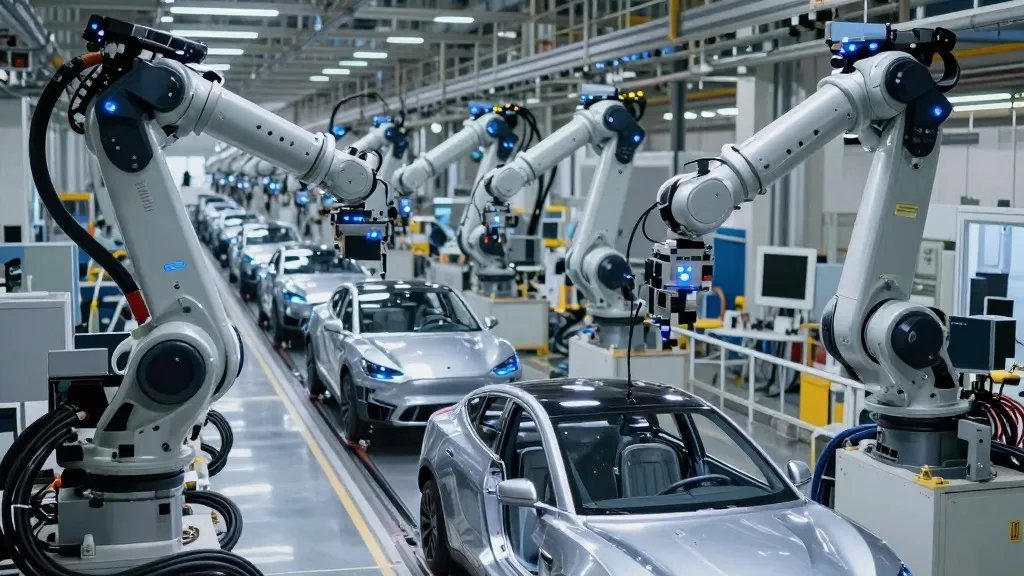
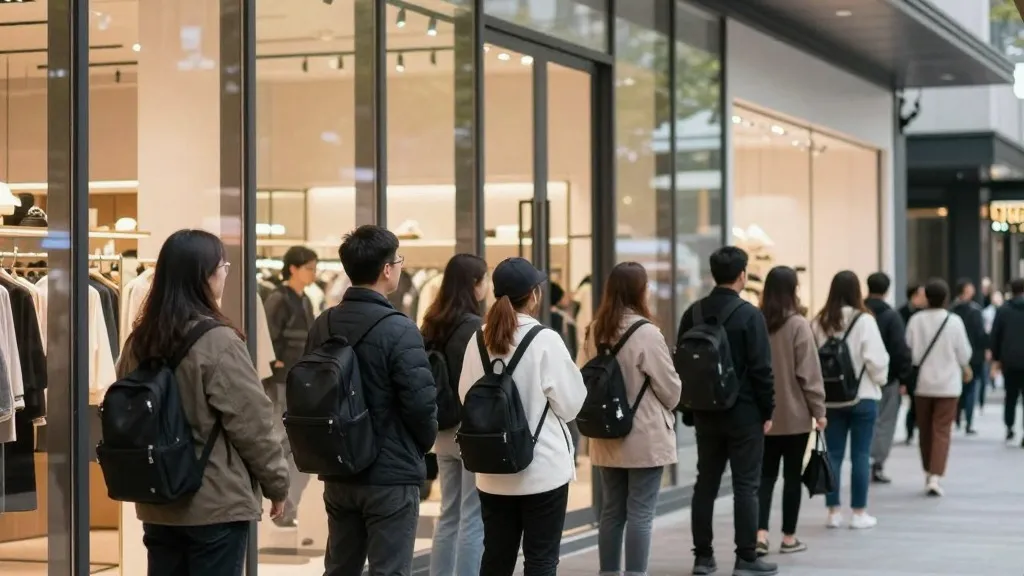
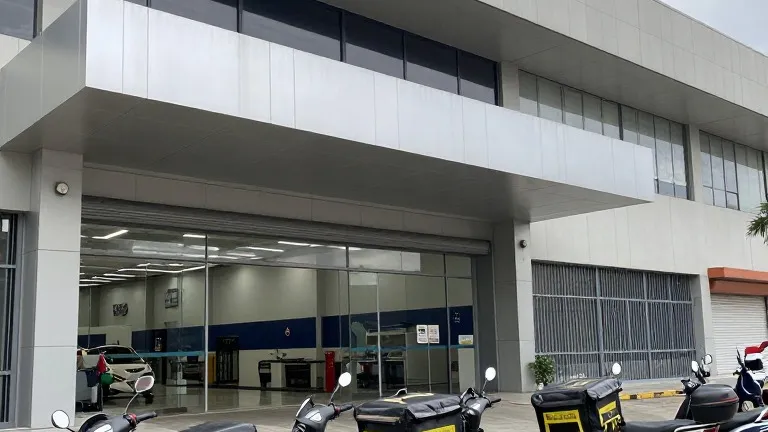
The economic transformation in Osasco is quantified by the disappearance of manufacturing plants and the rise of retail and logistics hubs. Gilberto Almazan, leader of a local metalworkers' union, stated that metal, chemical, and textile factories have vanished while five shopping malls have been built. He described the traditional union movement as stuck in the Middle Ages. Many workers now operate as drivers, food couriers, or small traders, a dynamic Almazan terms Uber-isation. These workers prioritize flexibility over the collective welfare structures associated with Lula's political brand.
Richard Lapper, a biographer of both Lula and Jair Bolsonaro, notes that Brazil industrialized late and deindustrialized early, intensifying the economic shock. He characterizes Lula as a victim of his own success. Although unemployment hit a record low and Brazil exited the UN Hunger Map under the current administration, Lapper identifies a crisis of expectations. Inflation, household debt, and high interest rates have eroded the perceived benefits of economic growth for many households.
Voter sentiment in Osasco reflects this disconnect. Robson, a 53-year-old civil servant who previously supported Lula, blames government mismanagement for the tax burden. Tairine, a hot dog seller who previously abstained from voting, now intends to vote for Bolsonaro, citing a lack of change since Lula returned to power. Gisele Bonfim, a lawyer who voted for Lula in 2022, says Bolsonaro offers the hope of change. These individual accounts underscore the fragmentation of the traditional working-class coalition.
The first round recorded 33 million abstentions, the highest number since 1998. This level of non-participation signals deep dissatisfaction with both major parties. Flávio Bolsonaro has proposed reducing government spending, ministries, and certain taxes while retaining key welfare programs. He has denied corruption accusations that have surfaced during the campaign. Lula's team is counterattacking with large-scale street rallies, including one in São Paulo that drew approximately one million people. Lula, aged 80, is actively using social media to project vitality, referring to himself as the king of selfies.
Demographic divides remain evident in the voting patterns. In Maré, a large favela in Rio de Janeiro, abstention rates were above the national average, yet Lula still secured the local vote. Vitoria, an 18-year-old mother earning less than £300 monthly, supports Lula for his minimum wage hikes and free essential medicines. She opposes Bolsonaro's plan to designate the Comando Vermelho gang as a terrorist organization, citing the 130 deaths in Rio police raids last year. Andreza Dionísio, a resident of Maré, attributes low turnout to polling station changes and general hopelessness.
Religious institutions are playing an increasing role in political mobilization. Approximately one-quarter of Brazilians now attend evangelical churches, which provide childcare, employment advice, and food. Pastor Silas Malafaia, who is under investigation for allegedly obstructing the coup trial of Jair Bolsonaro, says Flávio Bolsonaro aligns with church values on family and abortion. The first round results appear to reflect a rejection of Lula more than an enthusiastic endorsement of his opponent.
Almazan fears there will never be another Lula, highlighting the difficulty of replicating the political formula that built his base. The runoff will test whether voters perceive Lula as capable of offering a new economic narrative that addresses the rise of the service and gig economy.
Source: BBC News
More Business · World news · Consumer Watch · Report a business · Got a Story?