Zero AI frames: BBC confirms new ocean series is all real
The team kept murky shots and used new cameras to prove the footage is authentic as viewers question digital realism.
By Gabriel Qureshi ·
Zero. That is the number of frames in the new Blue Planet III series that were generated by artificial intelligence. The BBC announced this figure at a press screening this week. The goal is to prove the footage is real to viewers who are increasingly skeptical of digital media.
Executive producer Elizabeth White said the team intentionally left out some polish. In the past, they would have removed shots with too much plankton or poor water visibility. Now, those details stay in the final cut. White explained that AI makes the team want to be even more authentic. She noted that the deep ocean animals are more remarkable than AI could imagine.
Jack Bootle, the BBC's head of specialist factual commissioning, gave a direct assurance to journalists. He stated that no generative AI was used in the production. He added that the series is all real photography. Bootle described the current moment as a golden age of natural history-making, but said this series is bursting with novel behavior.
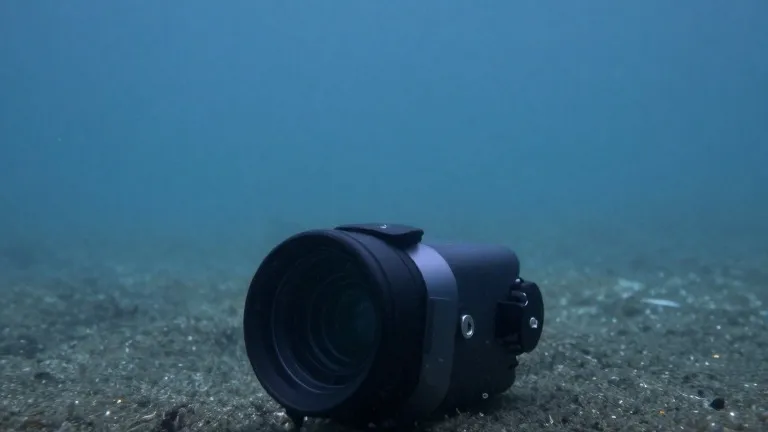
The show features new sightings filmed over four years across five oceans. The team used a device called the stonefish cam, which is described as the world's first underwater CCTV camera. Yoland Bosiger, the series producer and director, developed this technology. It helped record dolphins using sea sponges to block holes in coral and trap fish.
Other scenes include 200,000 crabs lining up in formation to feed. A grouper is shown communicating with another species of fish. Sea urchins use shells as sun hats. These clips aim to show the resilience of ocean life. The series also looks at threats like climate change and plastic pollution.
David Attenborough, who is 100, narrates the series. Bosiger said he was very much involved in the process. He made changes to scripts and remains excited by new footage. The production team built a mini-dome camera to follow an octopus and used a deep-sea selfie stick. Camera operators wore leg-mounted scooters to capture immersive diving footage.
Blue Planet III begins on Sunday, 1 November, on BBC1 and iPlayer. The series arrives almost ten years after Blue Planet II. It follows 25 years since the first Blue Planet broadcast. The new installment promises more animal behavior and cutting-edge technology.
Source: The Guardian
More Culture · World news · Report a business · Got a Story?