Tesla's Unsupervised Driving Delayed Again
Owners in specific metro areas will soon be able to add their vehicles to the company's managed robotaxi network.
By Gabriel Qureshi ·
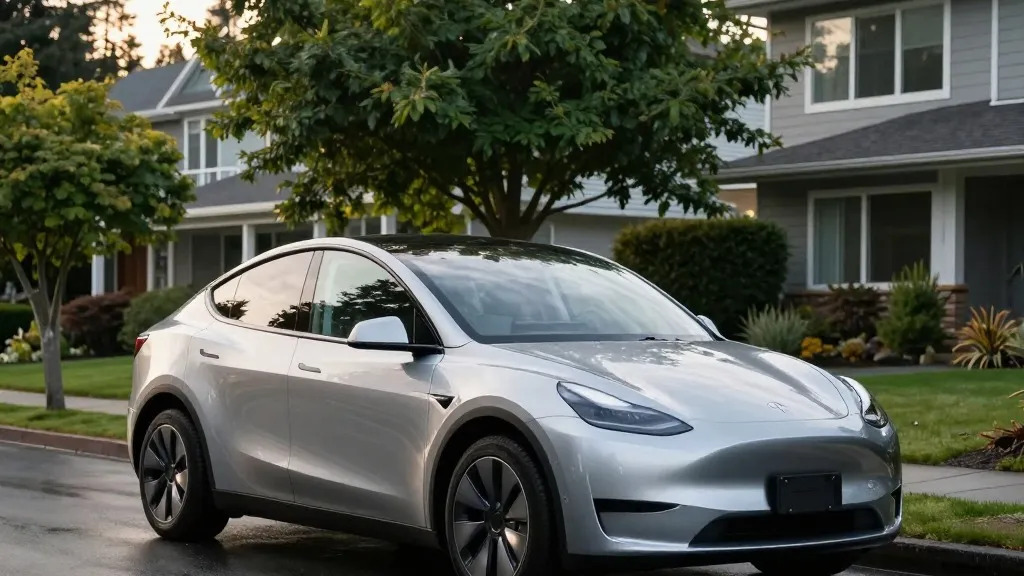
For thousands of drivers in the Pacific Northwest and across the United States, the promise of a car that drives itself is taking on a new shape. Tesla has confirmed that unsupervised Full Self-Driving capability for customer-owned vehicles will arrive in the second quarter of 2027. However, this milestone does not mean every Tesla will soon cruise freely through any neighborhood or highway. Instead, the feature is being defined as an integration into Tesla's existing managed robotaxi fleet, limiting independent operation to specific, controlled zones where the service already runs.
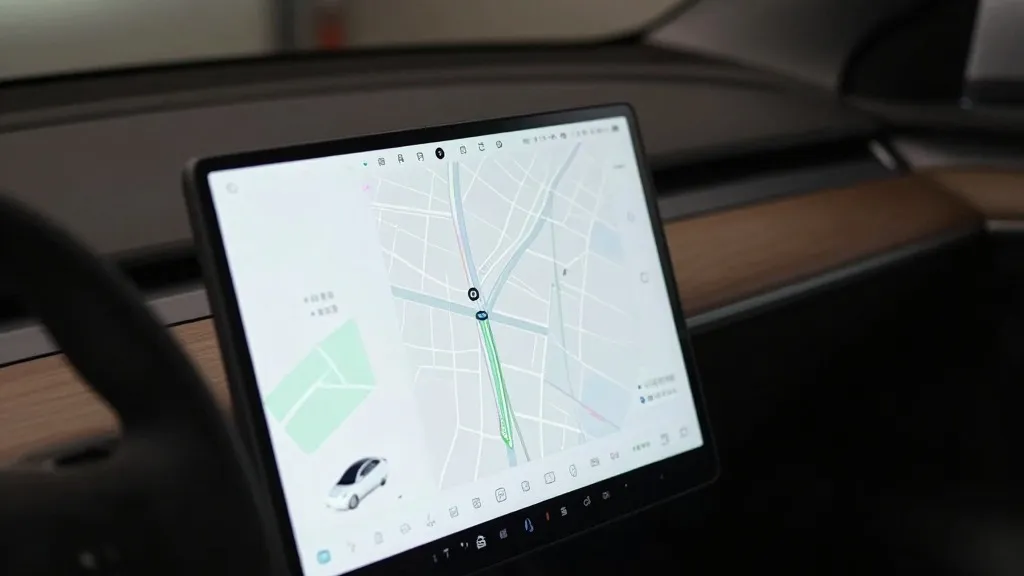
The first key point to understand is that this update is not a universal software patch. On the company's third-quarter 2026 earnings call, AI chief Ashok Elluswamy clarified that the rollout involves owners adding their cars to the robotaxi network. This means the vehicle will drive itself unsupervised only within the geofenced areas where Tesla currently operates its taxi service. For a driver to experience this new level of autonomy, they must live and travel within those specific boundaries.
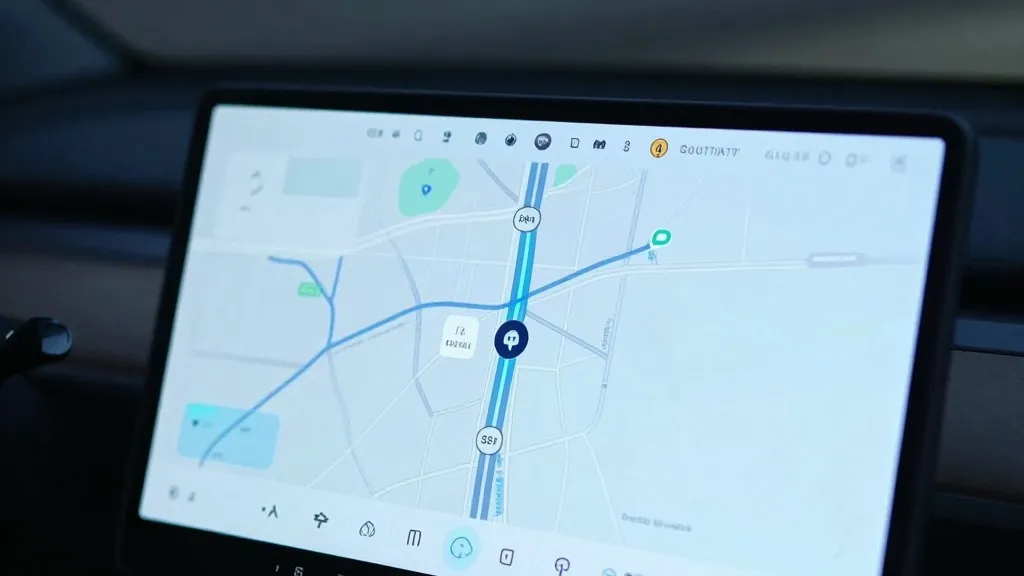
The second consideration is the limited geography of these zones. Currently, Tesla's robotaxi service operates in six US metropolitan areas, but the coverage in each city remains small. In Miami, the service area mostly covers West Miami and a narrow strip toward Doral and Sweetwater. Orlando and Tampa launched similar small geofences in July. Within these areas, the cars stick to low-speed routes, largely avoid highways, and steer clear of more complex urban environments.
The third factor is the current scale of the fleet and the regulatory hurdles. Tesla reported that its robotaxi fleet reached nearly two million cumulative unsupervised miles by the end of the third quarter. This came just one month after the Cybercab model joined the fleet in Austin. While third-party tracking suggests there are only dozens of fully driverless Teslas on the road, the company continues to push forward with its expansion plans despite the modest numbers.
Contextualizing this announcement reveals a shift from the long-standing marketing message. For nearly a decade, Tesla has sold Full Self-Driving to buyers with the expectation that a future software update would allow their car to drive them anywhere. In July 2025, Elon Musk stated that unsupervised personal use would be available in certain geographies by the end of that year. He had previously expressed surprise if the technology was not ready the following year. Now, the target has moved to 2027, and the scope has narrowed significantly.
The product being delivered is also more restrictive than what owners were initially sold. The new system operates on Tesla's terms within Tesla's zones. It does not include unsupervised highway trips or cross-town commutes unless the entire route falls within a designated robotaxi area. Furthermore, owners of vehicles equipped with the older HW3 hardware have been informed that their computers cannot run the unsupervised system at all, and there is no clear plan for an upgrade.
Regulatory approval also plays a significant role in the timeline. In the Bay Area, the service is not yet unsupervised because California rules require a safety driver in every car. Tesla has not released the necessary data to the California Department of Motor Vehicle for a higher level of autonomous approval. The company prefers to keep its data internal for now, which limits its ability to expand unsupervised operations in that key market.
Looking ahead, the company cites safety as the primary bottleneck for wider adoption. Elluswamy suggested that the current safety constraints will be resolved by next year, though he acknowledged the uncertainty of that timeline. For now, the focus remains on refining the system within small, controlled environments before expanding to broader geographies. This approach prioritizes cautious growth over rapid, widespread deployment.
The delay and narrowing of the feature represent a significant adjustment for the market. As the company works to build trust and gather data, the gap between the marketing promises of the past and the practical reality of the current rollout continues to evolve. Shareholders and customers alike are now watching to see if the 2027 target will hold and how quickly the geofences might expand beyond their current small slices of major cities.
For ordinary people, the immediate change is subtle. It is not a revolution in daily commuting for most drivers, but rather a new option for those who live in specific parts of six major US cities. The promise of a car that works for you is real, but it is currently a specialized service rather than a universal capability. As the technology matures and regulatory approvals progress, the scope may widen, but for now, the boundaries are clear and the timeline is fixed for the next two years.
Source: Electrek · original report published
More Business · Consumer Watch · Report a business · Got a Story?