Tennessee execution team condemned by experts over Pike procedure
Medical professionals have criticized the actions of state officials during a failed attempt to execute an inmate last month.
By Yuna Fletcher ·
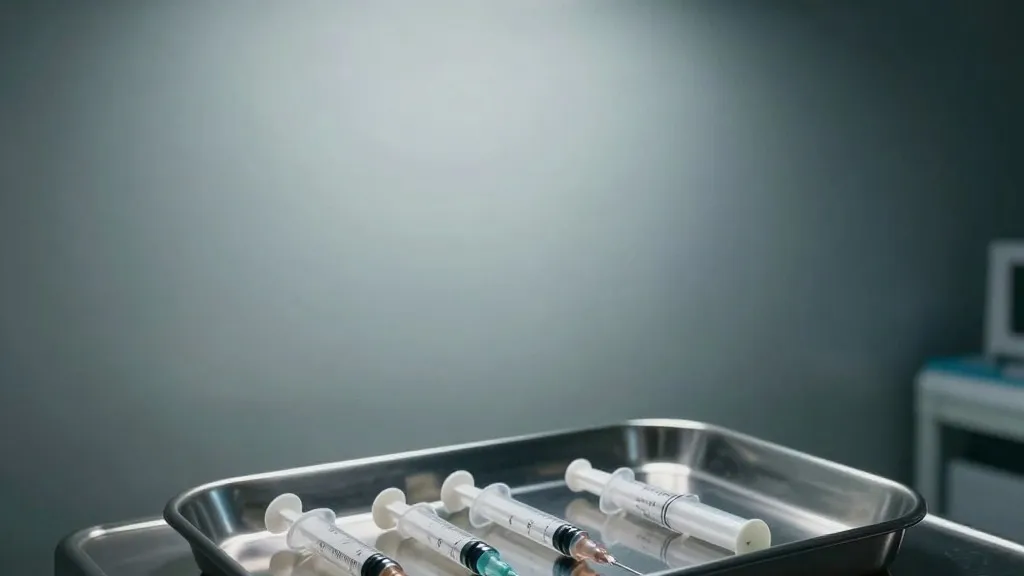
Medical experts have condemned the conduct of the execution team that attempted to put Christa Pike to death on September 30, stating that the handling of the lethal injection would be viewed as malpractice in a standard hospital setting. Officials suspended all future executions in Tennessee pending a review of the incident.
Detailed chronologies of the event were filed this week in legal proceedings by Pike's attorney, Randy Spivey. The documents allege that four unidentified members of the intravenous team spent close to an hour attempting to establish a line in Pike's arms for the sedative. Records indicate that the team used approximately 10 needles to repeatedly puncture the inmate's skin without successfully securing a viable connection.
Jonathan Groner, a professor emeritus of clinical surgery at Ohio State University and an expert on execution methods, expressed dismay at the circumstances. 'I'm shocked and disturbed by what happened inside the death chamber,' Groner said, describing the level of incompetence as astounding and difficult to comprehend. He noted that the timeline showed no one was in charge and no plan was in sight.
The account details Pike grimacing and stating her arm was 'really burning' during the process. At 7:05pm, about 30 minutes into the procedure, a team member requested a 24-gauge needle. Joel Zivot, a professor of anesthesiology and surgery who provided expert testimony before the execution, said such a device is intended for infants or small children. Zivot stated there was 'no way' to push the required volume through such a small catheter without damaging the vein, and a team member reported two minutes later, 'I think it is blown.'
Groner said the team's attempt to use ultrasound technology demonstrated a lack of proficiency, noting that such a technique requires extensive training and actual procedures to perform smoothly. He characterized the pushing of saline through the line with difficulty at 7:23pm as a flashing red light, yet the team concluded the following minute that the IV was set.
Pike's attorneys had previously warned the state that she possessed exceptionally small and compromised veins. Zivot identified serious failings in the process, including a poorly written protocol, a lack of leadership, and the use of catheters far too small for the intended purpose.
Pike, who was sentenced to death for the 1995 murder of classmate Colleen Slemmer, survived the attempt. She spent several days on a ventilator and returned to her prison cell after 10 days in the hospital. She can now talk and walk, though her long-term prospects are unknown. Groner described the incident as a 'medical charade,' asserting that the ultimate penalty is death, not torture followed by death.
Source: The Guardian