Sri Lankan Elephant Death: Galgamuwa's Tallest Bull Succumbs to Gunshot
Kavantissa, a 45-year-old bull weighing 5,500 kg, died on October 16 after being shot in the leg, intensifying debate over habitat loss and human-elephant conflict.
By Julian Kobayashi ·
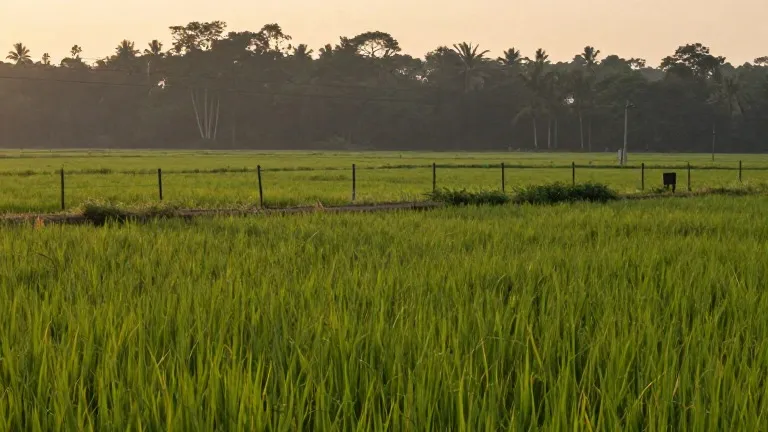
The daily routine for residents of Galgamuwa in Sri Lanka’s northwest has shifted following the death of Kavantissa, the island’s tallest living male elephant. For years, the 45-year-old bull moved through the area, his presence a constant for the local community. His death on October 16 ended that chapter, leaving villagers without the familiar sight of the 3.3-meter tall animal that weighed approximately 5,500 kilograms.
The incident began in late September when locals observed the elephant limping. A closer inspection revealed a gunshot wound in his right leg. Veterinary surgeons arrived to treat the injury, but the animal did not survive the wound. Kavantissa’s stature and size had made him a well-known figure in the region, and his passing has drawn attention to the physical toll of the conflict between people and wildlife.
Sri Lanka records the highest number of elephant deaths globally each year. It also holds the second-highest number of human fatalities from violent encounters between the two species. These clashes typically happen when elephants leave protected areas to raid crops. Official data indicates that since 2019, an average of 370 elephants and 125 people have died annually in these incidents.
The island hosts roughly 10% of the world’s Asian elephants, despite covering only about 2% of their natural range. This concentration results in the highest density of the species anywhere. The Sri Lankan elephant is an endangered subspecies under national protection. However, experts note that animals continue to die from shootings, poisoning, train strikes, and improvised explosives hidden in food sources.
Habitat loss is a primary driver of these conflicts. The rural population grew from 8.25 million in 1960 to 17.8 million in 2020. As farming remains the main income source, land continues to be cleared for agriculture. The Department of Wildlife Conservation estimated the wild elephant population at 7,451 in 2024. About 70% of these animals live outside protected areas. Each elephant requires roughly 150 kilograms of green matter daily, a need that pulls them toward cultivated fields.
Ravi Corea, president of the Sri Lanka Wildlife Conservation Society, cited habitat loss and fragmented corridors as key issues. He explained that crop losses threaten rural livelihoods, a dynamic distinct from conflicts in wealthier nations. Corea stated that a national action plan drafted in 2020 provides a foundation but requires a comprehensive strategy with enforceable habitat protection. He noted that numbers continue to rise despite government efforts.
Community-led initiatives offer potential solutions. In the Wasgamuwa region, Project Orange Elephant encourages farmers to grow citrus crops that elephants avoid. This reduces raiding while providing additional income. Electric fencing also protects settlements. An "EleFriendly" bus service in the same area transports schoolchildren through elephant corridors, reducing dangerous encounters on its original route by more than 90%.
Kamal Shashendra, an environmental ethics researcher based in Sri Lanka, argued that just solutions must protect human lives, livelihoods, and elephant populations simultaneously. He specified that this requires scientifically informed land-use planning, protected corridors, community-based fencing, effective early-warning systems, and fair compensation for affected families.
Source: Deutsche Welle