New $1.2 Billion Start Up Aims to Genetically Engineer Military Dogs
Backed by Sequoia and intelligence-linked investors, Warhound plans to clone and enhance canines for combat and emergency response roles.
By Gabriel Qureshi ·
A new venture called Warhound has officially emerged from stealth, bringing a $200 million funding round to the table. The company is valued at $1.2 billion following investment from major players including Sequoia, 8VC, Corner Ventures, and In-Q-Tel, a venture firm supported by the CIA and other U.S. intelligence agencies.
The primary mission is to solve a critical gap in the U.S. defense sector: the reliance on foreign sources for working dogs. According to the launch announcement, more than 80 percent of the military’s canine workforce currently originates in Europe, with fewer than half of those animals deemed fit for active service. Warhound intends to reverse this trend by engineering dogs domestically with traits specifically suited for high-stakes operations such as bomb detection and specialized searches.
The project is a joint effort between Colossal Biosciences and Anduril. Ben Lamm, of Colossal, and Palmer Luckey, of Anduril, reportedly connected at a conference a year ago. Lamm noted that Luckey emphasized the need for better support for military working dogs. Subsequent research revealed that many current working dogs fail training due to inherited issues like poor eyesight, cancer risks, or hip dysplasia.
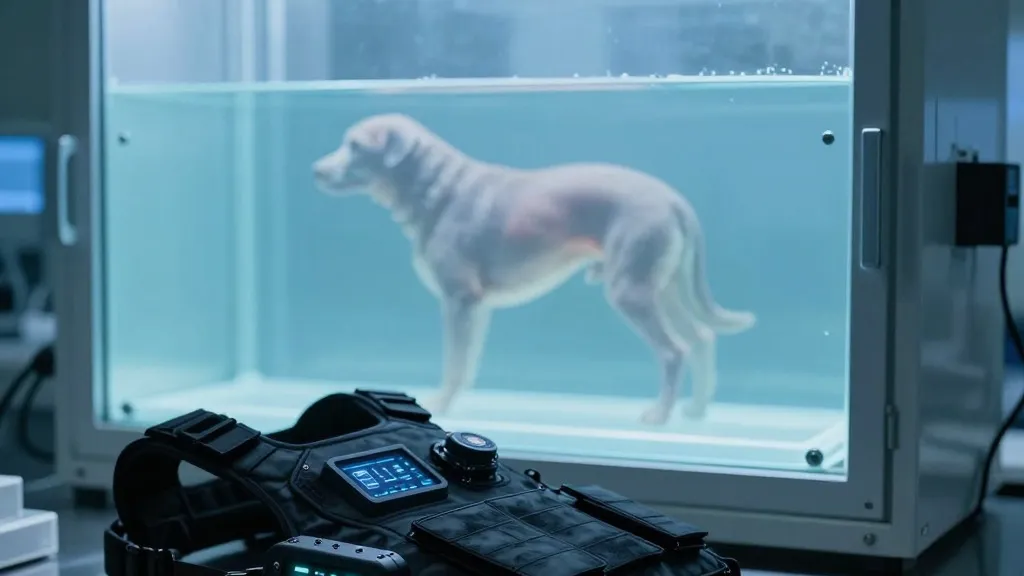
Lamm stated the goal is to enhance health, longevity, and performance metrics such as speed, agility, and olfactory sensitivity. The team has established a biobank using cell lines from top-performing breeds, including Belgian Malinois and German Shepherds. By editing genes to add beneficial traits and remove problematic ones, the company aims to create a new type of dog optimized for duty.
Anduril will supply the technological hardware to complement these biological enhancements. This includes protection vests and goggles equipped with sensors to provide situational awareness to handlers. Lamm described the concept as adding layers of safety 'on top of the dog,' rather than modifying the animal itself, to better protect both the canine and its human partner.
While Colossal holds equity and licenses its technology to the venture, Luckey serves as a partner without an ownership stake. The first batch of dogs is set to be cloned and incubated soon, with births expected early next year. The company targets service entry within two years, leveraging Viagen, another Colossal-owned entity, for the cloning process due to its high success rates.
Open questions remain regarding pricing and regulatory approvals, though Lamm confirmed the company has briefed numerous government bodies. The target market includes first responders, the Department of Defense, and police forces. Each dog will undergo standard military training and be managed by the purchasing entity.
To address welfare concerns, Warhound is working under the guidance of the American Humane Society to certify its training program. The organization stated it looks forward to ensuring the animals are treated humanely. Retired dogs are expected to enter the Society’s reunification program or other available support channels.
Source: TechCrunch · original report published