Brain Stimulation Restores Steady Hands for Woodcarving Artist
An Arizona resident regained the ability to carve and eat independently after receiving deep brain stimulation therapy for Parkinson's disease.
By Gabriel Qureshi ·
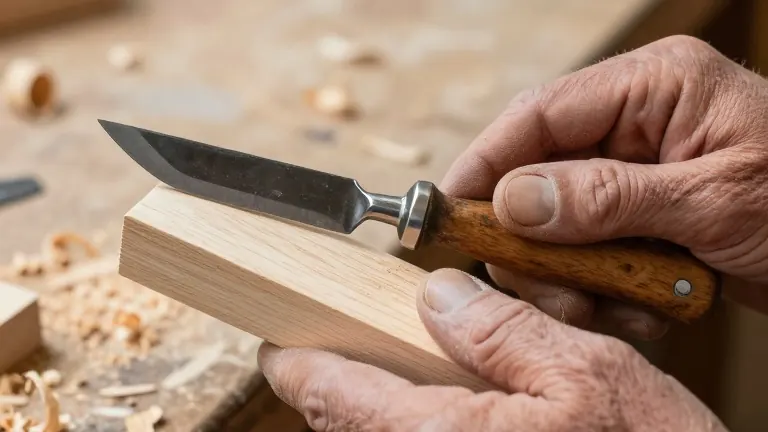
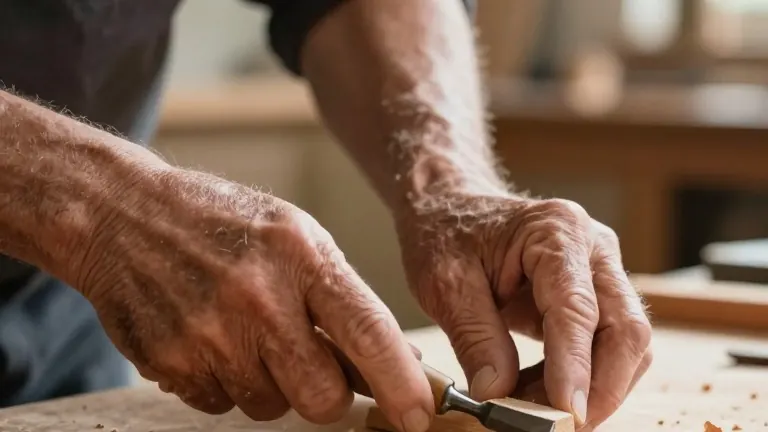
Bill Daggett’s hands were once steady enough to shape wood for decades, but tremors from Parkinson's disease eventually made simple tasks like holding a fork impossible. The artist, who resides in Phoenix, Arizona, now carves with steady hands after undergoing deep brain stimulation, a surgical procedure that sends electrical pulses to specific areas of the brain to control movement disorders.
Daggett’s condition was identified by a doctor who noticed his shaking while attending an art show. The physician urged him to seek a medical evaluation, leading to a diagnosis of Parkinson's disease. Daggett described the early impact of the tremors on his daily life, noting that he could barely eat and often avoided going out in public. He explained that the inability to control his hands contributed to a sense of depression, as he did not want others to see him struggling with basic movements.
When medication alone failed to manage his symptoms, Daggett opted for deep brain stimulation. The therapy involves the insertion of electrodes into the brain, which are connected to a pulse generator implanted in the chest. The device delivers continuous electrical signals to help regulate abnormal brain activity associated with tremors.
Sam Cradduck, a gerontologist and host of the program 'Aging Untold,' described the procedure as comparable to installing a pacemaker for the brain. He explained that while traditional pacemakers help maintain heart rhythm, this therapy helps the brain reset its electrical signals. Cradduck stated that the treatment aims to reduce tremors and mitigate some side effects and progression of the disease.
Cradduck emphasized that deep brain stimulation represents a breakthrough for the quality of life of long-term patients. He noted that while physical symptoms like difficulty eating are often discussed, the emotional loss associated with losing creative abilities is frequently overlooked. He observed that for Daggett, the disease had stripped away his identity as an artist, a loss that extended beyond mere physical limitation.
The therapy has allowed Daggett to return to woodcarving, a craft he has practiced for many years. His hands, which previously shook severely enough to interfere with eating, are now stable enough to hold carving tools and shape wood. The recovery has restored his confidence in public settings and his ability to engage in his chosen artistic profession without the physical hindrances that previously defined his daily routine.
Source: KVVU-TV