Arab Vote Looms Over Israel's Deadlocked Election
Polls show Palestinian parties on course for 12 to 15 Knesset seats as neither Jewish-led bloc reaches a majority.
By Yuna Fletcher ·
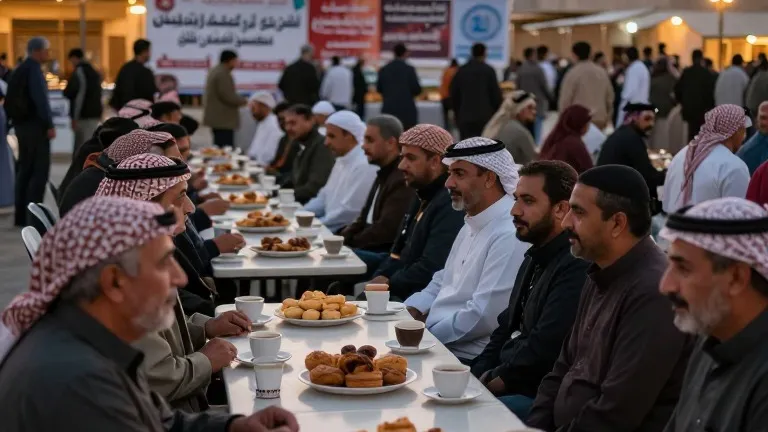
Israel's campaign entered its final week under a clear arithmetic problem: neither Benjamin Netanyahu's coalition nor the opposition bloc can reach the 61 seats needed to govern, leaving the balance of power with the roughly 20% of citizens who are Palestinian. Candidates courted those voters directly this week at a sunset gathering in Kfar Qasim, where attendees shared knafeh pastries and cardamom coffee.
Polling data reviewed in the days before the vote points to a parliament split three ways. Netanyahu's far-right coalition falls short of a majority in the 120-seat Knesset, and the Jewish Israeli opposition is likewise forecast below 61. Palestinian parties are projected to take between 12 and 15 seats, distributed between the Islamist Ra'am and the Joint List, an alliance of three smaller parties that includes Ta'al.
Ahmad Tibi, who leads Ta'al and has served in the Knesset for more than two decades, said his camp is working toward that goal. "We are determined to do everything in order to bring this government down. And high turnout among the Arab community is one important tool in achieving this goal," he said.
Coalition arithmetic cuts both ways. Most of the Jewish Israeli opposition has ruled out governing with Arab politicians, and Netanyahu's allies have sought to make such cooperation a liability; campaign posters have framed the choice as "It's [either] the right or Palestine," and others use the slogan "Bibi or Tibi." Precedent argues the wall is not permanent: in 2021, Ra'am leader Mansour Abbas entered a coalition with Naftali Bennett, now in the opposition, and Netanyahu himself held coalition talks with Abbas. Israel has had two Palestinian ministers in its history, Raleb Majadele and Issawi Frej.
The campaign has also exposed a split over participation. Sami Abu Shehadeh, leader of the Balad party, named the motivation plainly: "The biggest motivation is fear." He said voters grasp the risk if "these criminals come back to rule again." Others refuse to participate at all; Haaretz journalist Nagham Zbeedat wrote that she declines to "legitimize a system that treats my rights as favors." Israel's supreme court effectively removed Abu Shehadeh from the race last month over an article about the 7 October Hamas-led attacks, while a motion to disqualify national security minister Itamar Ben Gvir over racist language, including calls for ethnic cleansing, was not upheld.
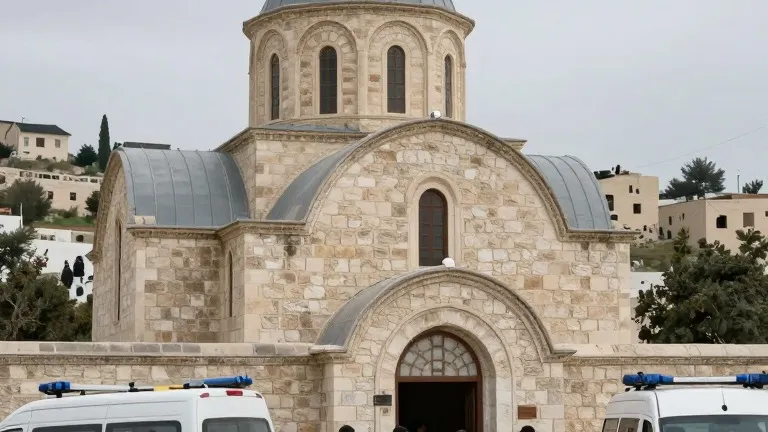
The voting date carries additional weight in Kfar Qasim, where it falls two days before the town marks the 1956 massacre in which border police killed 49 men, women and children who had broken a curfew they did not know about. Amjed Iraqi of the International Crisis Group said the election is largely about mitigation, and that Palestinians can see the difference between a rightwing and a far-right government. "There's no clarity about what comes afterwards," Iraqi said, "but that's how powerless I think a lot of people feel."
Source: The Guardian