4 Million Daily Meals: The Enduring, Yet Threatened, Spanish Set Lunch
A tradition with deep historical roots, the menú del día, is facing pressure from economic shifts and changing lifestyles that threaten its future.
By Yuna Fletcher ·
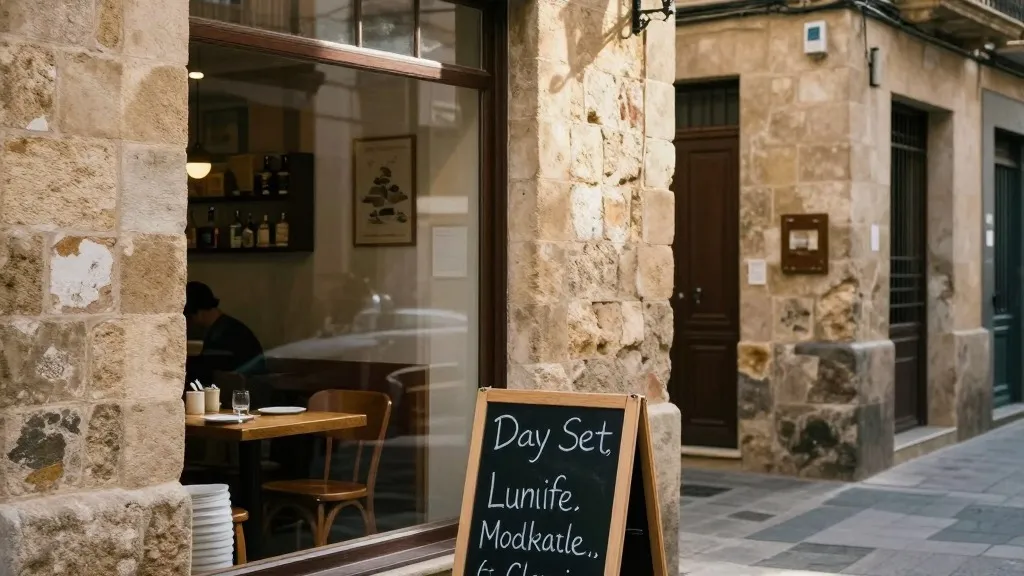
Approximately 4 million menú del día meals are served each weekday in Spain, a tradition that has been a part of the nation's life for more than half a century. This daily set-price lunch, which typically includes a starter, a main course, a dessert or coffee, bread, and a drink, is a fixture of Spanish culture. However, the custom is slowly losing ground as eating habits shift.
The tradition is the subject of a new book by Spanish food journalist Lakshmi Aguirre, titled 'Menú del Día: Everyday Scenes of a First Course, a Second Course and Pudding.' Aguirre's work examines the history and evolution of the menú, arguing that while it is in trouble, it is not finished. Her assessment comes 17 years after a prominent chef declared it dead.
In 2009, Spain's best-known chef, Ferran Adrià, proclaimed the end of the menú del día, citing changing eating habits, economic downturns, and the rise of bistro-style restaurants that charged high prices for what he considered a simple meal. Aguirre's book suggests that this verdict was premature, as the tradition persists despite the pressures Adrià identified.
The history of the menú del día is rooted in a specific political and economic context. It began in the mid-1960s as a tourist menu, created under Manuel Fraga, who was the information and tourism minister for the government of dictator Francisco Franco. Following the difficult years after the Spanish civil war, the state wanted to present an image to foreign visitors of a country where food was plentiful, good, and affordable.
The original menu was strictly regulated. Establishments were required to provide a soup starter, a main course of egg, fish, or meat from at least three options with a side dish, and a pudding made from fruit, something sweet, or cheese. Prices were fixed, and the accompanying quarter-litre of wine had to be a pure, clean Spanish red or white with at least 12% alcohol content. In the early 1970s, the menu was renamed to distance it from its tourist-focused origins and to encourage ordinary Spaniards to partake.
The menú is now so ingrained in Spanish life that its origins are often unknown. Aguirre noted that when she mentioned Fraga while researching her book, many people were shocked. "It says a lot about us Spaniards; we forget very quickly," she said. She described the tradition as a reflection of the evolution of Spanish society, adding that nostalgia is growing as people begin to realize it is fading.
Several factors are putting pressure on the menú del día. The average price now stands at €14.70, and rising energy and food costs make it difficult for small, family-run restaurants to offer a rotating daily choice. Furthermore, many people with limited time opt for a quick lunch, bringing food from home or eating a ready meal. Some establishments have adapted by offering a single 'dish of the day' or by incorporating Latin American staples to reflect Spain's changing demographics.
Aguirre accepts these changes, stating that the menú has always mirrored the society that consumes it. She believes the stakes are higher than just the availability of an inexpensive meal. "What's being lost is a meeting point," she said, describing it as a place where people with limited means can dine out and where those who live alone can find company. She concluded that the true privilege of the menú lies "not just in being able to pay for a meal, but also in having the time to enjoy it."
Source: The Guardian