20,000 units a week: Tesla's new math for Optimus
The company says it is installing a line capable of massive output, yet admits the robot's hands and AI are still too fragile for external sales until late 2027.
By Yuna Fletcher ·
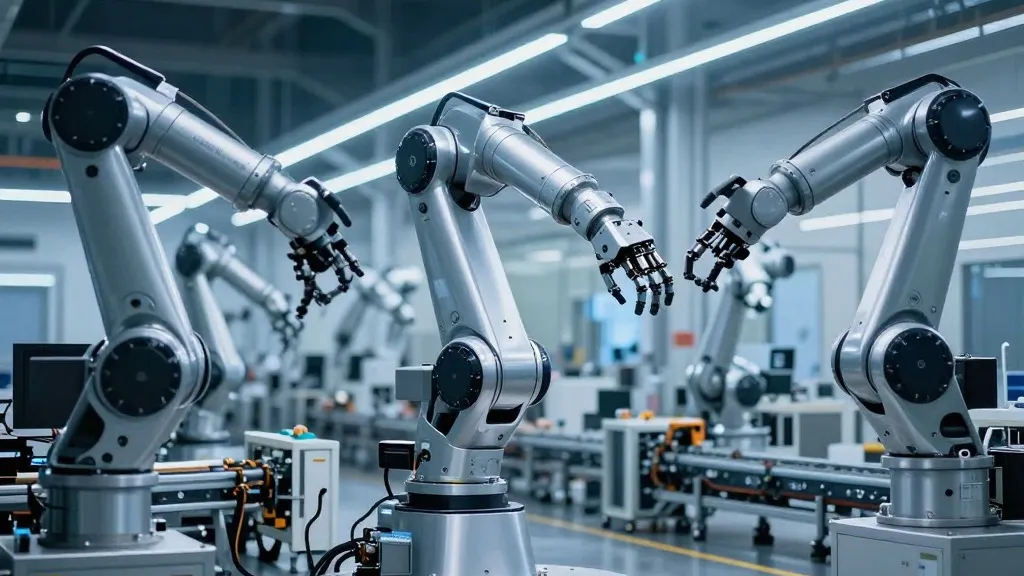
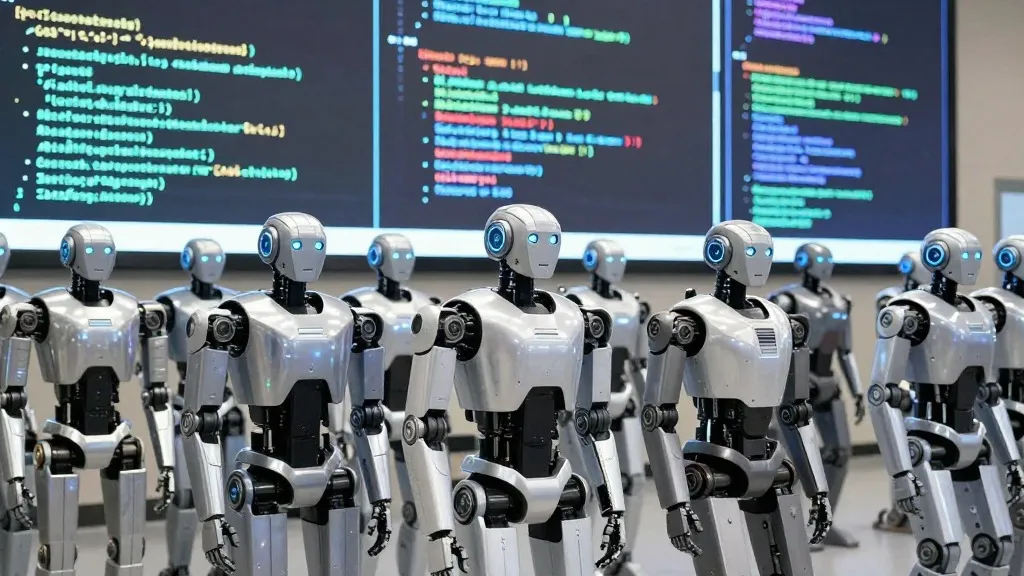
Tesla is currently installing manufacturing equipment capable of producing 20,000 humanoid robots every week. This figure represents the theoretical maximum capacity of the new line at the Fremont factory, where Model S and X production once took place. However, CEO Elon Musk clarified on the recent Q3 2026 earnings call that reaching this throughput will take at least a year, possibly longer, due to ongoing design changes. The company now targets the end of 2027 for the first deliveries of Optimus to external customers.
The delay is attributed to persistent engineering challenges. Musk identified three critical hurdles: the artificial intelligence architecture, the electromechanical design, and overall reliability. A Tesla engineer specifically highlighted the robot's hand as the most difficult hardware component to finalize. The fingers must be soft enough to handle delicate items but durable enough to withstand constant wear without the ability to heal like human skin. Custom gears also remain a source of reliability concern.
On the software side, Tesla lacks the massive fleet of robots needed to collect real-world data for its AI, unlike its car fleet. To solve this, the company plans to build 10,000 to 20,000 units for an internal "Optimus Academy" where they will practice tasks. The AI5 chip is scheduled for integration around April 2027. Musk promised a video within the next two months showing the robot performing unscripted tasks, arguing that many current industry demos are merely pre-programmed routines.
This is not the first time Tesla has adjusted its timeline. In 2024, the company predicted internal use in 2025 and high-volume external sales in 2026. By January 2025, Musk claimed 10,000 robots would be built that year, with several thousand doing useful work by year-end. None of those external units were delivered. The Q3 shareholder letter now describes the current Fremont output as the first "production-quality" bots, implying previous versions were not ready for the market.
Competitors are also grappling with similar issues but have made distinct progress. XPeng activated an automated production line for its IRON robot in September, with plans for mass production by the end of 2026 and deliveries in the first half of 2027. Boston Dynamics began producing its electric Atlas in January and has already committed all its 2026 deployments, including a partnership with Google DeepMind. Hyundai plans to deploy 25,000 robots in its plants over the coming years.
While Musk stated that no one is close to Tesla in general-purpose robotics, the competitive landscape suggests otherwise. Boston Dynamics has adopted a pragmatic approach by prioritizing sturdy industrial grippers over human-like dexterity, effectively bypassing the hand issue that is currently stalling Tesla. Tesla may have the most robots built, but making them useful remains the primary challenge for the entire industry.
The next few months will be critical for validating Tesla's claims. If the promised video shows genuine, unscripted work, it may justify the new late-2027 timeline. Until then, the gap between the installed manufacturing capacity and the actual delivery schedule remains a significant point of skepticism for investors and observers alike.
Source: Electrek · original report published